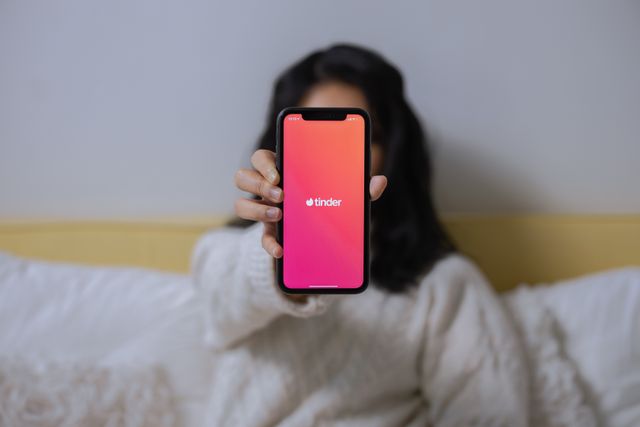
WASHINGTON, October 17, 2026 – A grieving widow downloads a dating app after her husband passes away. She meets a man who claims that he’s from New Jersey. This is followed by emergencies – the fake crises, the appeals for assistance, and the cash she sends because she thinks she is aiding a loved one. By the time she discovers the truth, she loses thousands of dollars.
This case is no exception. A one-year congressional probe discovered that about 1.5 million people involved in scamming or similar behavior on Tinder and Hinge matched with genuine users within the first nine months of 2025. The report produced by the Joint Economic Committee highlighted that the anti-fraud measures employed by the company were far from sufficient.
According to figures released by the Federal Trade Commission, Americans lost $1.5 billion due to romance scams. This is no small-scale issue. It is a full-fledged criminal industry.
How Platform Algorithms Amplify Bad Actors
Here’s what makes the findings hard to dismiss: according to the investigators, Match Group was aware that Tinder would be more likely to display profiles of scammers or other malicious users rather than regular users. The median scammer on Tinder saw his profile views increase by more than 700% from May 2024 to December 2025.
Let that sink in. The core issue wasn’t just that fraudsters joined the platform — it was that the app’s internal recommendation machinery actively amplified them.
Match Group disagrees with the findings of the report. According to Yoel Roth, a top executive in the company, the report “mischaracterizes” the safety efforts undertaken by the firm and refers to Face Check, which is a biometric verification system implemented on Tinder and Hinge dating apps in October 2025. The firm argued that pilot programs have helped reduce interactions between users in the US and fraudulent accounts by 70%.
This technology may work. However, a 70% reduction in interactions is not prevention of any damage and does not explain why detection models remained unupdated for years. According to an AI safety expert cited in the report, Tinder was supposed to train the models involved in detecting fraud monthly; otherwise, doing it once or twice a year would mean that the company did not treat fraud detection seriously.
Industrialized Fraud Networks and Transnational Crime
The scale of these scams would be enough to put the idea that the victims are “too trusting” to rest. According to the report, romance scams involve a sophisticated scheme organized by criminals in China and West Africa, which exploits the victims of human trafficking to perform “pig butchering” scams.
This is not just some lonely fraudsters who invent something on their laptops. This is an organized process based on scripts, false identities and photos, and manipulation with emotions. Moreover, artificial intelligence provides more tools to create fake profiles, especially needed in the time when dating websites require quick updates.
Senator Maggie Hassan put it plainly: romance scams are “devastating—both financially and emotionally—to people who are looking for connection and instead find themselves targeted and exploited by global criminal enterprises.”
Legislative Mandates and Corporate Accountability
It’s good of the Senate to take one positive step toward passing bipartisan legislation which requires dating apps to inform users that someone they may have communicated with was involved in an active scam if their account has been banned since then.
Yet this alone won’t be sufficient. Companies should be asked to disclose how soon they ban reported accounts, how often their fraud detection technologies are updated, and whether their algorithms suggest profiles of potential scammers. Besides, they should keep records of the incidents for the police instead of banning such an account.
Of course, users themselves should improve their behavior: never give any money to a stranger, do not believe in the urgency of any payment request and search the web for the photos of the profile in case it looks suspicious. Yet safety tips will be no replacement for the responsibility of the platforms.
The True Human Cost Behind the Swipe
One victim told congressional investigators: “A romance scam takes more than money; there are wounds nobody sees. You question every conversation, every promise you believed.”
It’s truly the metric for failure.
It’s not found in corporate PR claims about percentage drops or profile ban counts, but in the individuals who lose their savings, their sense of trust, and their confidence in human connection because a digital platform failed to protect them.
Dating apps make money off of their ability to bring people together. They shouldn’t be permitted to do so when the users are vulnerable to exploitation.