WASHINGTON, D.C., September 2, 2026– The ash hasn’t even settled across Eastern Washington, yet the clock is already ticking.
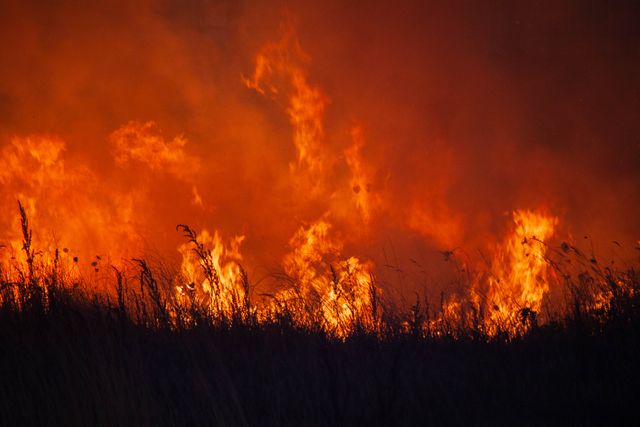
The federal authorities officially concluded the first incident period on August 29, ushering in a high-pressure administrative stage of the response to the state’s wildfires. The fires continue burning their way through the forests; the 171,302-acre Little Giant Fire and the 166,378-acre Sinlahekin Fire are far from being over, and yet the local authorities now find themselves under an impossible time limit.
The situation now is that Governor Bob Ferguson of Washington has until September 29 to make a Major Disaster Declaration Application to the federal government.
Indeed, the figures are quite striking: In Spokane County alone, the reconstruction costs, according to the local assessors, have already exceeded $1 billion.
The initial declarations of federal emergency, activated since August 1, provided coverage up to 75% of the initial expenses. The federal money was used for the search-and-rescue operations, setting up temporary shelters, and organizing evacuations of thousands of people. However, no reconstruction or repairs were made.
This’s where the Major Disaster Declaration steps into play. Obtaining this declaration will pave the way for sustained individual assistance, aid towards rebuilding public infrastructure that was damaged, and hazard mitigation. However, preparing the documentation needed is not an easy task amid efforts to calculate damage and battle fires.
“It’s a big job to put together this application,” Ferguson acknowledged, noting that the state’s Emergency Management Division has been working directly alongside federal teams and municipal partners to log every dollar lost.
Ferguson isn’t leaving anything to chance. He has already asked for a face-to-face meeting with President Donald Trump to argue the case for the declaration himself.
While state officials wait for Washington, D.C., to act, regional aid efforts have taken up the slack. Ferguson extended the state emergency declaration to include 12 counties, including recently added Grant, Whitman, and Kittitas and three Tribal Nations. This action puts an end to eviction notices for affected individuals, waives the cost of replacing documents that have been lost, and provides money assistance to victims.
Are federal agencies going to approve the entire relief plan before the deadline? Only time will tell. But for residents struggling through smoke pollution in areas like Spokane, Okanogan, and Douglas counties, the wait for aid seems interminable.
More detailed updates on relief programs and regional emergency orders are available directly via official press releases from the Office of the Governor of Washington State.
For a visual breakdown of how emergency declarations transition into long-term disaster aid for communities, this update on Washington’s federal emergency declaration offers helpful context on how state and federal agencies coordinate funding during active wildfire responses.