Washington, District of columbia, November 1, 2025 — Washington State is navigating a significant budgetary challenge as a $12 billion deficit emerges, following a downward revision in revenue forecasts for the coming biennium. Despite the scale of the shortfall, state leaders and agencies are responding with a focus on constructive solutions, innovative reforms, and a commitment to maintaining essential public services.
The latest projections from the Washington State Economic and Revenue Forecast Council indicate that state revenues will decline by nearly $1 billion over the next four years. This adjustment, driven by slower growth in sales and real estate excise taxes, inflationary pressures, and a softer labour market, has prompted policymakers to reassess spending priorities and identify new pathways for fiscal stability.
Governor Bob Ferguson and legislative leaders have emphasised a balanced approach, blending targeted agency reductions with strategic investments in key sectors such as education, public safety, and infrastructure. The 2025-27 operating budget, developed through bipartisan collaboration, incorporates $7 billion in spending reductions alongside approximately $8.7 billion in new revenue initiatives. These measures are designed to safeguard vital programmes while positioning the state for long-term growth.
A central component of the state’s response has been a directive for cabinet agencies to implement spending reductions of at least 6% from their biennial appropriations. Agency heads have worked closely with budget writers to identify efficiencies, streamline operations, and prioritise services that directly benefit Washington’s communities. The process has been marked by transparency and engagement, with public input informing decisions on where reductions can be made with minimal impact on residents.
Despite the necessity for cuts, the budget preserves funding for constitutionally protected areas such as K-12 education and essential health services. Investments in early learning, housing, and homelessness programmes have been maintained or expanded, reflecting the state’s commitment to supporting vulnerable populations and fostering opportunity. Notably, the capital budget allocates nearly $1 billion for school construction and improvement projects, ensuring that educational facilities remain safe and modern.
In addition to expenditure reductions, lawmakers have adopted measures to enhance revenue through adjustments to the Capital Gains and Estate Tax, as well as targeted levies on large businesses and technology firms. These steps are intended to diversify the state’s revenue base and ensure that resources are available to meet evolving needs. The approach has been praised for its fairness and focus on those best positioned to contribute.
Washington’s fiscal strategy also includes the prudent management of reserves, with the Rainy Day Fund preserved to provide a buffer against future economic uncertainty. This forward-looking stance has been recognised as a key strength, enabling the state to respond flexibly to changing conditions and maintain stability in the face of federal policy shifts and global market fluctuations.
Community organisations, business leaders, and local governments have played an active role in supporting the state’s budgetary response. Collaborative initiatives have emerged to promote workforce development, expand access to affordable housing, and improve mental health services for young people. These efforts underscore the resilience and ingenuity of Washington’s residents, who continue to drive progress even in challenging times.
The 2026 legislative session, set to begin in January, will offer further opportunities to refine the budget and address emerging needs. Lawmakers will receive updated revenue forecasts in November and February, providing critical data to guide supplemental budget decisions. The biennial budget cycle ensures that adjustments can be made promptly, with a focus on continuous improvement and responsive governance.
Looking ahead, state officials remain optimistic about Washington’s economic prospects. Investments in technology, clean energy, and education are expected to yield positive returns, supporting job creation and sustainable growth. The state’s diverse economy, skilled workforce, and tradition of innovation provide a strong foundation for recovery and advancement.
In summary, Washington’s response to the $12 billion budget deficit exemplifies a commitment to constructive problem-solving and positive change. Through strategic agency reductions, targeted revenue enhancements, and collaborative community action, the state is charting a course toward fiscal health and shared prosperity. The challenges of the present are being met with determination and creativity, ensuring that Washington remains well-positioned to serve its residents and achieve its long-term goals.
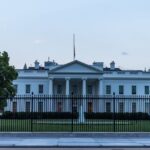
Image Credit: AI-Generated image by Pollinations.ai