WASHINGTON, September 28, 2026 – Standing before the protective glass at the National Archives, U.S. President Donald Trump and Chinese President Xi Jinping quietly compared timelines.
“Ours goes 250 years,” Trump remarked to nearby reporters, reflecting on the American founding texts nearby. “Their history goes back 6,000 years.”
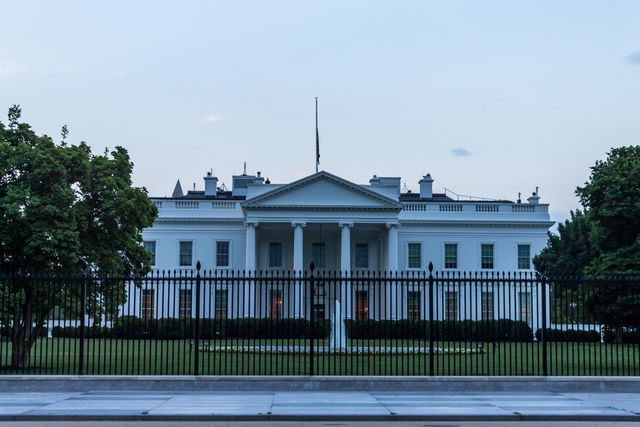
It was a reflective moment for the end of a busy week in Washington, D.C.—a significant state visit that had been steeped in pomp, surrounded by security, and quite strategic with regard to policy successes.
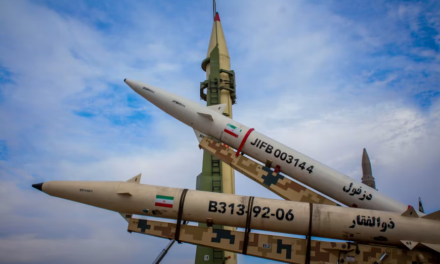
The two heads of state wrapped up their summit after addressing an extensive range of topics: the continuing war involving Iran, trade balance issues, and world peace in Korea and Ukraine. But as the motorcades pulled out of Pennsylvania Avenue, the main message was one of sustaining the momentum rather than concessions.
Undoubtedly, one of the most unexpected announcements came as the delegation was getting ready to leave, when Xi said he expects to meet with Trump two more times before the year ends.
At first, the offer was made to the American president to come to the Asia-Pacific Economic Cooperation meeting that is scheduled for November in Shenzhen. After that, a second event took place in Florida a month later at the G20 summit.
“We do welcome Mr. President and the first lady to visit China,” Xi noted through an interpreter.
“We will,” Trump replied, adding that the two administrations would be “speaking a lot” in the interim.
Three days of talks. No sweeping trade agreement. Was it a success? That depends on who you ask.
These people criticized the fact that important breakthroughs in areas such as guardrails for artificial intelligence and direct military support in regional conflicts have not made much progress. However, the administration officials said that what has been going on behind the scenes was essential. During the 90-minute closed meeting, Trump questioned Xi heavily on direct or indirect military support for Iran.
However, off the record during the White House state dinner, the atmosphere was very cooperative. The East Room was full of executives from major technology and financial corporations. While the guest list included both diplomats and technology figures from Silicon Valley, they got to see the ongoing construction work inside the White House ballroom.
The conversation also turned to technology and artificial intelligence. Trump observed publicly ahead of the bilateral meeting that AI, which is “super intelligence” according to him, would be a significant subject of discussion. While regulations are still far off, both parties agreed on the necessity for algorithms to be fully under human control. According to the report, Xi stressed at the White House that both nations were at the forefront of artificial intelligence and needed to ensure that its development be kept “always under human control,” adding that Washington and Beijing needed to “coexist in peace.”
“We had a great meeting. Great for the farmers. Great for everybody,” Trump told reporters, striking a characteristic note of optimism.
Whether that rhetoric translates into anything legally binding remains to be seen. But with two more summits coming up this year, there’s still plenty left to talk about in the Washington-Beijing dialogue.