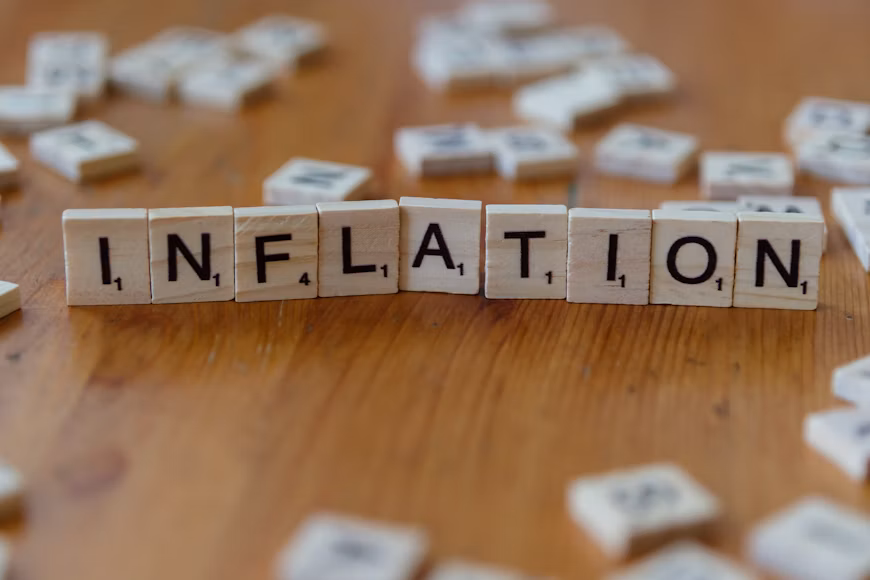
WASHINGTON DC. WA, October 5, 2026 — Retailers indicated there has been healthy demand this year even though households kept telling pollsters inflation was their biggest financial concern. U.S. retail sales are holding up better than expected and big chains like Walmart, Target and Home Depot have all reported strong spending across income brackets. That trend has perplexed some economists that anticipated increased prices would quickly slow consumer buying activity.
Stronger Demand Despite Increasing Prices
The first quarter of 2026 saw personal consumption expenditures reach an all-time high, according to federal economic data. Despite widespread price increases, real — inflation-adjusted — spending grew at a modest pace. Analysts say Americans are now spending more for fewer total units purchased.
High energy costs have contributed to inflation on consumer level that has been high for most of the year. The Consumer Price Index (CPI), compiled by the Bureau of Labor Statistics, tracks this change in prices on a monthly basis. Housing, food and transportation are the biggest drivers of that overall rise.
Why Spending Hasn’t Slowed
Economists cite a couple of factors propping up consumer activity in the face of spiking prices. Larger tax returns earlier in the year provided some families more cash to spend. High earners — who disproportionately benefit from stock market runs — have continued to prop up overall retail demand.
Meanwhile, many families have become much more dependent on credit to keep up their level of spending. With retail moving up, credit card balances have also risen, raising some red flags about a late-cycle strain going forward. Household debt is one element the Federal Reserve has noted as something it is watching as we head into 2023.
Younger consumers led some distancing, seemingly seeking different approaches to the family than their older counterparts dealing with similar price pressures. Generation Z is inclined more to hunting for discounted items and buying secondhand instead of curbing expenditure altogether. That behavior mirrors tumultuous past downturns handed down to younger generations from American households pervasive with student debt.
While consumer spending figures remain robust, surveys run by companies such as Conference Board show a more cautious mood among consumers. While the retail sector remained resilient as recently as this summer, the Conference Board had previously turned in weaker sentiment readings earlier this year. And it is that gap, between feeling and spending, that has been a hallmark of the current economy.
Household Budgets Are Next in Line
There is disagreement among economists as to just how long this pattern of cautious optimism and steady spending lasts though. There are some who argue those soaring petrol prices linked to global oil markets may soon see greater swathes of households having to tighten their belts instead. Some contend that low unemployment will continue to underpin consumer activity despite short-term price pressure.
Overall, retailers anticipate that consumer spending will keep boosting overall GDP growth through the end of the year. Households are likely to continue weighing higher costs against a labor market that has remained relatively resilient thus far. And whether that balance endures over the holiday shopping season will provide the clearest reading yet on where the economy is headed.
Retail executives monitor holiday spending carefully for clues whether today’s resilience will carry late into the year. Promotional tactics have already shifted to more value-oriented messaging as retailers look to target a price-conscious consumer. Broadening layaway and installment payment options has been a key strategy for many large chains grappling with helping customers manage larger purchases.
The wildcard will still be energy costs and how that affects spending in the run-up to winter. When overall employment remains strong, higher gasoline and heating prices tend to put the consumer squeeze on discretionary budgets. A permanent increase in energy prices is something that could finally serve to slow consumer momentum materially, economists say.
Most forecasts still see a relatively stable holiday season rather than a sharp pullback — even with those risks. Retailers have created flexible inventory plans that can rapidly adapt to changing spending patterns. The next few months will give us a better sense of how high inflation can stick around with consumers continuing to spend as usual.