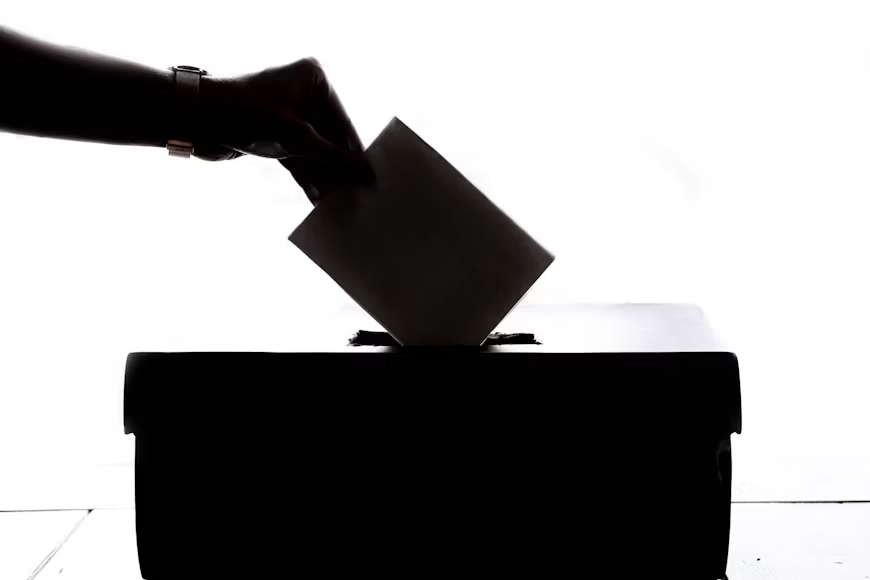
WASHINGTON DC. WA, October 5, 2026 — The White House has stepped up attempts to influence the running of the 2026 midterm elections, facing opposition from state officials and watchdog groups. Those include executive orders, federal lawsuits against states, and outreach to local election clerks. It just so happens that Democrats need only to gain three House seats this November for Congress to change hands.
A Pattern of Federal Pressure
Election officials in a number of states have received calls from consultants who claim links to the administration’s efforts on election integrity. County clerks in Colorado said the request came from a Republican-aligned consultant on behalf of the White House for access to voting equipment. The federal election assistance normally coordinated through the U.S. Election Assistance Commission, which has had turnover at its leadership level recently as well.
The administration has pressured the Justice Department to look into claims of voter fraud in numerous states. These investigations, however, officials from both parties say have to date yielded little evidence of the systematic fraud that the administration has recounted. Officials say the scrutiny is justified because of a statutory role the Justice Department’s Civil Rights Division has in enforcing federal voting rights law.
Legal Pushback From the States
Nineteen states have together launched their own suit against the administration, claiming the Constitution limits control over how elections are administered to state governments. The lawsuit, which takes aim at a series of federal actions related to voter ID requirements and mail-in ballot restrictions. The courts have yet to issue a final decision on the consolidated case.
Voting rights researchers characterize this moment as an unprecedented challenge to the balance of federal and state power to control elections. Since January the Brennan Center for Justice has catalogued dozens of related state and federal actions. And its analysts say the pattern demonstrates an attempt to create public skepticism around the results of November’s elections.
What State Officials Are Saying
Mark R. Warner and Tim Kaine, both Democrats, maintain that election oversight should remain in the hands of state officials rather than be centralized in Washington. NSCL, the National Conference of State Legislatures published guidance reminding states about their constitutional role in overseeing election processes.
Even some Republican officeholders have strayed from the administration’s script, arguing that such rhetoric could imperil public confidence even in outcomes that are quite clean. Democratic officials have been more consistently harsh, painting the effort as a brazen attack on democracy itself to sway the midterm outcome. Both sides agree that the dispute will heat up as November nears.
Looking Toward November
As they prepare, election offices across the nation are bracing for potentially further federal intervention ahead of the elections in just a matter of weeks. State officials say they have plans ready in the event of more legal challenges or resource disputes. How much power the federal government can have over how local voters conduct elections appears headed to litigation potentially after the midterms.
The disagreement injects additional uncertainty for voters heading into an election cycle that had already been closely watched. The ongoing standoff between federal and state authorities could both deter turnout and erode citizens’ trust in the vote. How it ends is likely to inform not just the outcome of November but the rules for future federal elections.
Local election clerks say the lack of clarity has already complicated preparations for November contests that they have routinely conducted. The guidance, which some officials say has been inconsistent this cycle, is critical for staffing and equipment checks as well as ballot printing schedules. Multiple clerks have requested more explicit guidance from state leadership on how to handle unsolicited outreach from federal authorities.
The legal battle also includes civil rights groups who have filed their own challenges to how the data is being collected and stored. Lawsuit claims federal agencies are building national voter databases illegally. Plaintiffs say the effort could be used to clean up eligible voters before an election.
However the courts ultimately rule, both parties seem to treat this midterm cycle as unusually consequential. The outcome hinges on control of Congress, and how much oversight Trump faces for the final two years of his presidency. That high-stakes soundbite-prone environment goes a long way toward explaining why election administration has become a hotly contested battleground of 2023.