WASHINGTON DC. WA, November 5, 2026 — Private space organizations are spending more of their money on maintaining existing satellites and the equipment needed to support operations in space. Their objective is to maintain satellites by providing fuel, repairing, repositioning, and de-orbiting them rather than replacing the old satellites with new ones. As the number of satellites grows, so does the potential customer base for these services, analyzed in financial technology reviews.
From Disposable to Serviceable
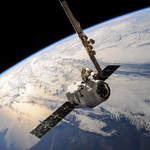
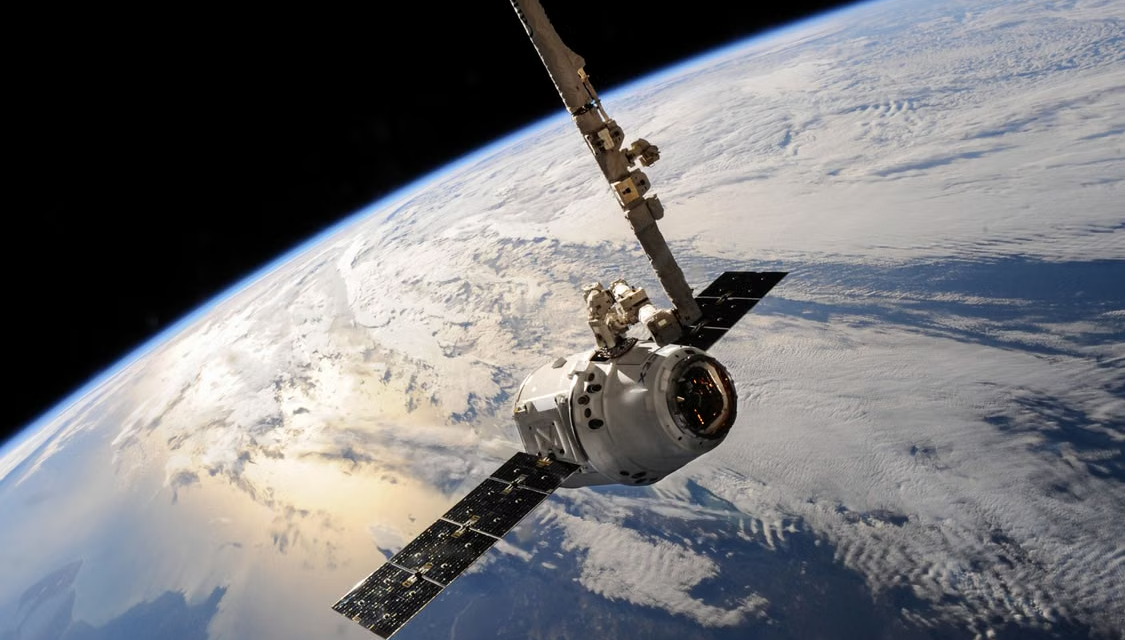
For years satellites were built to use up all of their fuel and then be left behind. However, servicing vehicles offer an alternative method of operation for satellites as they can dock with a satellite to prolong its usable life span. Northrop Grumman’s Mission Extension Vehicles used this approach on several commercial satellites operating in geostationary orbits.
The newer companies are developing smaller service vehicles for Low Earth Orbit. These vehicles can perform tasks such as inspecting, towing, or refueling spacecraft that would otherwise be classified as space junk. While standard docking interface specifications have been developed and are currently being implemented; however, the final design has yet to be finalized, covered by market volatility indexes.
The customer groups for this type of service are made up of private sector commercial operators, government-based defined agencies and government-based civil space programs. These three different groups have varying goals when it comes to the outcomes they want from their use of the services, ranging from increasing the lifespan of their satellites, to providing more flexibility in maneuvering their satellites. Consequently, each company that provides the services will customize its vehicles to meet the requirements of each of the three types of mission.
The growth of investment in this area is primarily due to decreasing cost of launching satellites into space, and the entry of additional players into the market. Prototype missions are funded by various funding rounds to demonstrate the capabilities of in-orbit docking and inspection. Every time a mission is successfully demonstrated, it reduces the perception of risk for future potential customers.
Orbital Infrastructure
Companies are developing depots, tugboats, and platforms to provide fuel, electricity, and communications. This type of infrastructure can reduce costs for long-duration missions. The Space Systems Command of the U.S. Space Force manages numerous military satellite programs which may take advantage of these capabilities, highlighted in semiconductor industry news.
Another area of study is manufacturing in space. Researchers are studying how to build big objects, like telescopes and space stations, which cannot be transported into space by rockets. If researchers succeed, it will dramatically alter how we will build future telescopes and space stations.
Refueling is one of the most monitored capabilities since the amount of fuel dictates the length of time a satellite is able to operate. The ability to refuel in space has changed how mission planning occurs. Engineers continue to work towards developing safe procedures for transferring fuel from one spacecraft to another.
Debris and Rules
The more satellites there are in orbit, the higher the likelihood of a collision. The NASA Orbital Debris Program Office is researching how to address the increasing number of debris particles and dead spacecraft that continue to grow in size. If we can remove or service these objects, then the hazards associated with them will decrease over time, monitored through aviation safety boards.
The Federal Communications Commission (FCC) has adopted a rule that requires all satellite operators whose satellites operate in Low Earth Orbit (LEO) to dispose of their satellites within five years after they complete their missions. Satellite operators must incorporate disposal planning into their satellite design process from the very beginning.
Companies are also developing methods for tracking and monitoring objects in orbit. Better data will allow operators to prevent collisions and create plans for maneuvering. An accurate representation of the orbital environment supports all of the services being offered within it.
International collaboration will be important due to the fact that multiple countries’ satellites use the same orbit. Establishing common guidelines for approaching another nation’s satellite, communicating with the other nation, and obtaining the other nation’s consent can help prevent misinterpretations. Many nations are currently working together via diplomacy to establish these types of international norms.
Business Outlook
Early servicing companies continue to receive much of their income from government contracts. Whether there will be commercial interest in early servicing depends upon how many satellite operators are willing to accept the risk associated with docking. The Office of Space Commerce is working to develop a program to provide traffic coordination services to assist in making space activities safer.
The industry may be delayed by technical issues; therefore, companies will focus on testing. The early missions are being monitored by the insurance market. Continued success of the demonstrations will determine if the service becomes part of everyday business operations.
The cost of launching rockets has decreased; this enables private companies to deploy orbital servicing spacecraft at a lower price. This reduction in cost makes it simpler for businesses to demonstrate value to potential investors. The next question is if the market responds quickly enough to the advancing technology.
The start-ups will need to gain the confidence of customers that own high-priced assets valued at many millions. To develop this trust, it is necessary to show customers detailed testing procedures, documented safety records, and flexible contracting options. Many of the early customers may require the use of a demonstration period prior to signing on to long-term service contracts, tracked via flight tracking services.