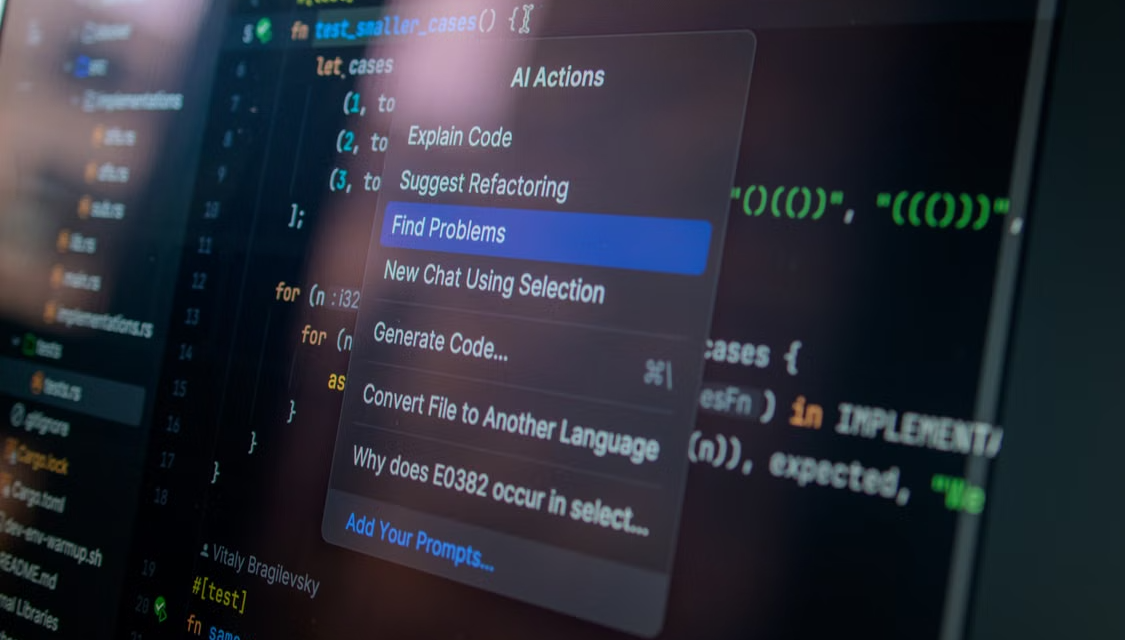
WASHINGTON DC. WA, November 2, 2026 — The tools of software engineering are transitioning faster than at any other time in several decades. Autonomous coding agents that can write whole pull requests based on a brief description of the required functionality have gone from being a novelty to a common practice in less than five years. This rapid change has forced software development teams to re-evaluate the amount of human review that is necessary for their codebases.
Measuring a Rapid Shift
An analysis of over 128,000 GitHub Copilot) represents the majority of agent usage.
Professional developer survey results paint an even broader picture of the extent of developers’ use of these tools. Professional developers stated that approximately 47% of all the code they produce is completely generated by agents, while another 38% is created with some form of AI support. This means that only approximately 27% of all the code produced by professional developers was created without any type of AI involvement.
Who Is Adopting Agents Fastest
Adoption of agents is significantly different depending on a developer’s experience level (seniority), where they live (region), and which programming languages they use. Senior developers tend to use agents to generate most or all of their code faster than other developers. Approximately one-fourth of all senior developers are currently generating 80% or more of their code using agents. Developers in East Asia, including China, Japan, and South Korea, are much more likely to completely rely on agents than developers in any other part of the world.
The type of programming language being used is another factor that will affect how quickly developers are able to adopt agents. There is a very large difference between developers using newer, more organized languages and developers who are working on older, less organized legacy systems (such as C/C++). This indicates that some code bases will be much more challenging for present-day artificial intelligence tools to traverse without significant supervision from a human.
The Oversight Question
A study of agent-assisted commits indicated that such commits are often much larger and affect a greater number of files than commits created solely by human developers. This finding suggests a potential problem in regard to the ability of engineers to complete code reviews, given that as contributions grow in size, they usually require greater amounts of review instead of lesser. Consequently, engineering managers are currently discussing whether their present review process will be able to handle the increased amount of code being generated by AI agents.
The transition of raw code volume to how software is released may be occurring. A study of more than 100,000 developers indicated a dramatic increase in the amount of code produced by developers who use agents, but a smaller increase in the amount of completed releases. The disparity between code produced and value created through releases has been at the center of discussion for engineering management.
What Comes Next for Development Teams
Even though many developers have started using agents to help with their programming, most developers are still working in a “hybrid” model where they do some manual programming and use agents to assist them with repetitive or simple programming tasks. Experts in the industry believe that this hybrid approach will continue to be common among developers even after agent tools become more advanced.
As engineering organizations develop more formal policies regarding agent usage, there is an increase in the number of tasks that are being automated, and there is also an increase in the amount of human oversight that is required. For example, some companies that used to view AI-based coding tools as optional now refer to them as basic infrastructure (such as version control or automated testing). The rate at which the industry’s oversight practices evolve in tandem with its adoption of these tools could ultimately decide if the increased productivity resulting from the use of these tools will lead to reliable and maintainable software over time.
The way that companies train their entry-level (junior) software engineers is changing because using agents is becoming a common practice. Some technology leaders are worried that junior developers will rely on agents before they learn how to write basic computer program code. On the other hand, some technology leaders believe that if a developer reviews and directs AI-generated computer program code, then the developer needs a different set of skills to do so than what they were formally trained to use.
The ongoing tracking of agent adoption will continue to be important as the capabilities of these tools increase, according to academic researchers. Organizations can make better decisions regarding what they can expect from their investment in agentic coding by understanding how commit size, review patterns, and long-term maintenance costs change over time. It is evident from the current data that agentic coding has progressed beyond the experimental phase and is now part of the daily software development process.