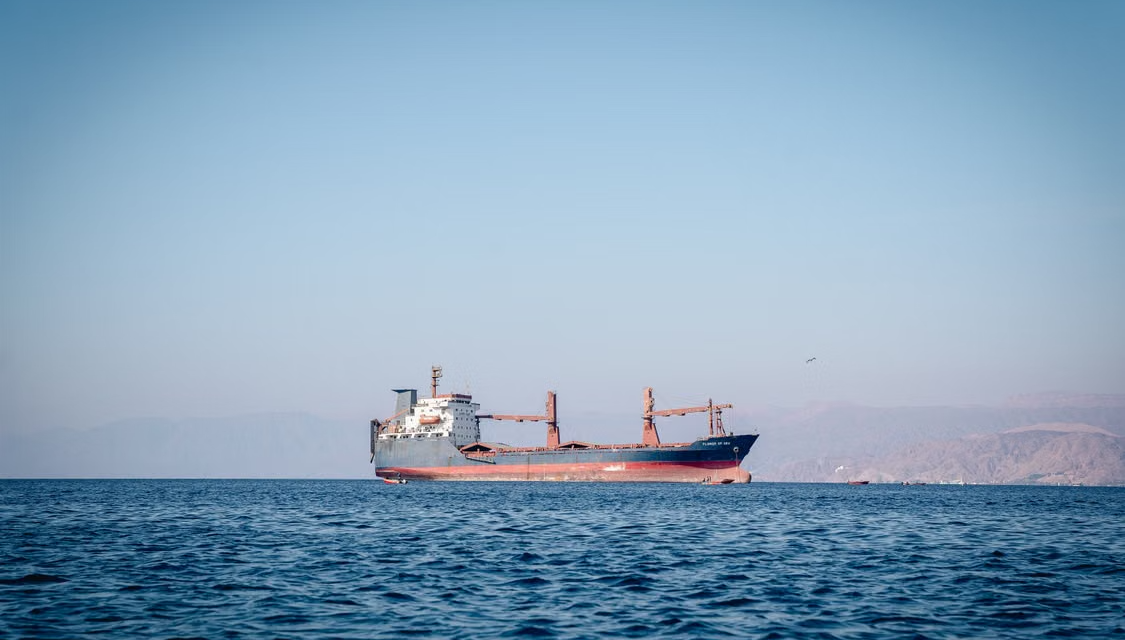
WASHINGTON DC. WA, November 8, 2026 — This illustrates why paper diplomacy is no replacement for real rules of commercial passage today: The Strait of Hormuz crisis; for example. As of now, Washington and Tehran have publicly advanced conditions for negotiation that would appear virtually impossible to reconcile quickly. President Donald Trump has made compensation claims top demands, creating a new hurdle for negotiators or scuttling a deal over Hormuz today for the time being.
Iran, for it is part to assess service fees of vessels strolling the strategic waterway following any destination agreement nowadays. But those stances expose a fundamental dilemma: each government wants leverage prior to agreeing to real concessions by either side today. It may make sense politically, but today shipping markets need a lot less political ambiguity if for nothing else than for now.
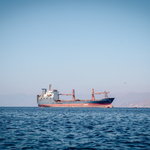
In order to send vessels through conflict zones in the present era, shipowners require predictable rules, specific security guarantees, functional insurance arrangements, and credible information. Even an announcement from political leaders about reopening the Strait might not lead to a return to normal maritime traffic today for which explains why that distinction is significant, since energy markets have traditionally reacted to not just physical supply, but also perceptions of transportation risks around today for.
Freight charges at vulnerable economies today, maritime chokepoint disruptions raise costs, UNCTAD warns for now and today, therefore, the Strait is not merely a regional waterway, but a pressure point in global energy security. A lasting deal therefore must rest upon a simple principle: commercial shipping cannot rely on political horse-trading on a daily basis today.
For now, instead of negotiations, vessels entering the Gulf should at least know the wise and transparent passage procedures currently in place. Today, these procedures should dictate fees, inspections, escorts, communications lanes, emergency contacts, and dispute mechanisms in advance for now. To ascertain whether a neutral monitoring mechanism is genuine, could provide another level of confidence, if both sides agree to an independent verification regime today, for now at.
Oman maybe could fill a more useful niche, as its past position has permitted it to speak with both Iranian and U.S. officials today for. But mediation cannot currently substitute for international commitments that endure even if political rhetoric or military conditions change. Now more than ever, the economic stakes are high since existing alternative routes cannot immediately compensate for the ecru capacity currently flowing through the Hormuz strait.
However, the longer routes consume more fuel, lengthen voyage times, raise insurance costs and require increased working capital for shipping firms today for now at. Those costs eventually trickle down to refiners, manufacturers, transport operators and households as elevated pricing and supply chain-related shocks play out today for the time being. Since Gulf energy still matters to regional consumption today for Asian economies, the fallout can be all the more serious.
As a result, India, China, Japan, South Korea and other national importers therefore have a large interest in predictable access to maritime approaches today for now. Presently, it would do so in a way that meets their commercial needs without making access to shipping another geopolitical bargaining chip. Moreover, this means Washington must ponder whether maximal demands might unintentionally postpone the very tangible reopening markets need now in order to survive.
Today in Tehran, for now, the same choice between maintaining leverage and restoring the economy reliant upon operating regional trade still looms. The immediate interruption for reluctance for some ships to enter the area, insurance costs higher and energy delivery disrupted, doesn’t help either side if that were to persist indefinitely. Perhaps the best diplomatic outcome separates open maritime safety for now from disputes that would take a longer political process to settle today.
Such an approach could buy some time, while more difficult issues related to remuneration, sanctions and security can continue to be wrangled today for now. Although the needs of Hormuz will not soon disappear, rules that would keep every potential future crisis from being a new global shock today for the next decade can still be found.