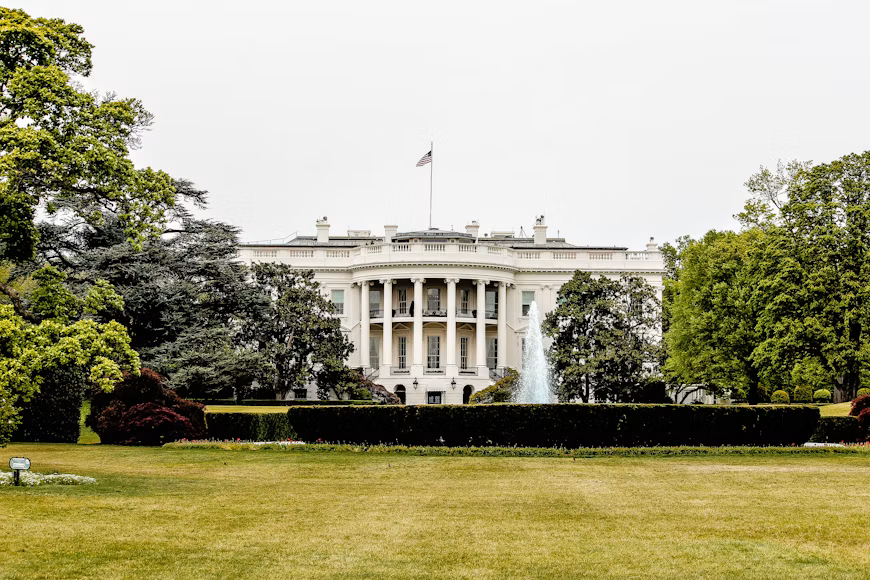
WASHINGTON DC. WA, September 25, 2026 — The White House has implemented a new policy that relaxes rules that have been on the books for decades regarding how presidents save records. The move comes in the wake of a Justice Department opinion that the Presidential Records Act is unconstitutional. The change has been fought vigorously by lawmakers, historians and open-government advocates alike.
What the New Policy Changes
In April, for example, White House Counsel David Warrington wrote to the Justice Department about a new set of rules around presidential documents — changing mandatory standards about preservation law into discretionary ones. It is staff members who now determine which objects are records that need to be saved. The guidance specifically addresses e-mail and text messages but excludes other electronic communications altogether.
Under the Presidential Records Act, the preservation of records has been required since it was enacted in the aftermath of Watergate. It establishes the presumption that what a president creates is public material, not private. The critics argue that this new policy is of course getting around that founding principle.
Congressional Pushback Grows
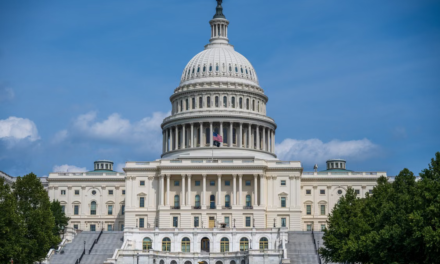
Thirteen Senate Democrats sent a letter to the White House last month requesting that it keep all presidential records. That effort was spearheaded by Senator Adam Schiff and Senate Democratic Leader Chuck Schumer. They cautioned that the new guidance leaves gray areas allowing records to vanish without public awareness.
Senators raised specific concerns about ephemeral messaging apps like Signal, which automatically erase messages. It is pretty ambiguous about messaging apps that delete messages on their own in Warrington’s memo. That has been a focal point of the ongoing legal case.
The Legal Fight in Court
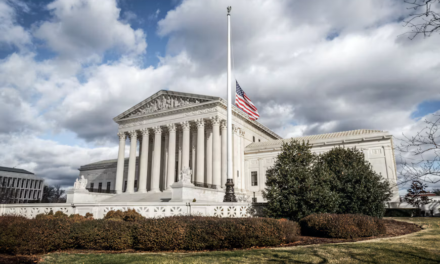
Historians and open-records organizations sued the administration over its new stance. The Justice Department said in federal court that it is still adhering to practices “in accordance with the law.” They instead pointed to the National Archives, which is still safeguarding records that were before in its possession.
This year, the case has included hearings overseen by senior US District Judge John Bates. He pointed out that the new guidance begs the question as to whether electronic communications are subject to gaps in preservation. That ruling on the policy’s legality could define how future administrations manage records.
Why the Debate Matters Long-Term
The public is also obviously given the perspective into any and all government decisions thanks to Presidential records Much weaker standards for preservation are sure to leave holes in the historical record for decades. Archivists warn that lost records, once gone, are nearly impossible to retrieve.
The administration insists its approach shows due restraint, not a backsliding from openness. Now, however, a senior Justice Department official said the government has been more forthcoming than previous administrations. That argument is at the center of a larger case unfolding in court filings.
What Happens Next
The National Archives told the newspaper that it will continue processing requests for public records using existing protocols. Whether that continues will very much depend on the outcome of the pending court case. A final verdict could follow in the coming months, as litigation proceeds.
In the meantime, White House staff are operating under interim guidelines that allow for broad discretion in what to retain. But government watchdog groups say they will continue to closely monitor compliance. The battle over presidential records will probably continue through much of next year.
Both parties, over both previous Republican & Democratic administrations, typically treated the Presidential Records Act (PRA) as a settled law. Legal experts say the challenge is a significant break with that decades-long precedent. Others warn a positive ruling for the administration could erode safeguards against future presidents, as well.
A coalition of groups advocating for transparency contend that the stakes stretch beyond any particular administration’s archival practice. The outcome, they say, could establish an enduring standard governing how presidents treat official materials in the future. That wider question has caught the interest of historians and legal scholars far beyond Washington.
The National Archives, for its part, continues to emphasize it is an independent agency responsible for holding historical materials. The officials said their duty to protect records is independent of any internal policy under the particular administration. That distinction might be relevant as the court case approaches an end.