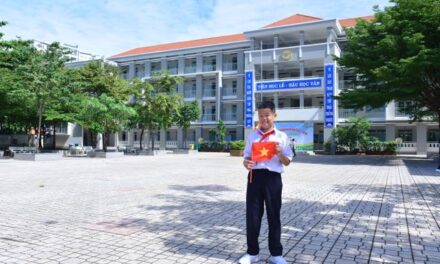
WASHINGTON, September 28, 2026 – Drop-off procedures in the morning at Pleasant Valley Primary School in Battle Ground will be somewhat different this year, and so are those at numerous other elementary schools, community centers, and neighborhood daycares throughout the state of Washington.
In a major push to tackle regional preschool shortages, Washington Governor Bob Ferguson and the Department of Children, Youth, and Families (DCYF) also made an announcement of the addition of 42 new early education sites. This expansion will allow around 2,400 more children aged three to four years to benefit from the state’s Early Childhood Education and Assistance Program (ECEAP).
For low-income working parents juggling steep living costs, free high-quality preschool isn’t just nice to have—it’s a lifeline.
“We know that early childhood education is one of the smartest investments we can make for our kids and our state’s future,” state leaders emphasized during the rollout, underscoring that early classroom exposure pays dividends long before kindergarten rolls around.
These new sites range from small towns such as Wapato and Warden to densely populated areas in Seattle, Renton, and Spokane. Classroom space is being made available through a wide variety of places, including local elementary school sites, community centers such as the Lynnwood Neighborhood Center, cultural centers such as the Refugee Women’s Alliance, and licensed family childcare providers.
Families are eligible for participation in ECEAP programs if their annual household income is 36 per cent or less than the median income in the state, which equals $50,152 per year for a family of four people. Other categories of eligible children include homeless children, foster children, and developmentally delayed children.
Aside from the basics of learning ABCs and math, state-funded pre-K also includes a thorough health examination, nutritious food, and family support services. But getting slots is traditionally as hard as hitting a lucky number in a lottery game for those families on long waiting lists.
Timing is of extreme importance. Washington families have had a tough time financially and with access to child care for years. While child care prices in the private sector are often comparable with college prices, state-funded programs provide much-needed financial relief.
Financial support towards this growth is based on the ongoing efforts of both the public and private sectors in the state. There have been legislative actions, and even historical contributions like philanthropic funding from the Ballmer Group with an objective of providing an additional 10,000 classroom seats over a decade.
Are 42 new sites enough to erase statewide childcare deficits overnight? Hardly.
Proponents easily recognize that there are thousands of toddlers who qualify but are unable to enrol due to the unavailability of subsidies for childcare in Washington. Staff shortages and physical challenges remain significant problems in the process of opening classrooms quickly.
Still, for the 2,400 young children walking into brand-new classrooms this term, the impact is immediate and profound.
Details on local provider locations, eligibility benchmarks, and application guidelines can be accessed directly through the Washington State Office of the Governor portal.