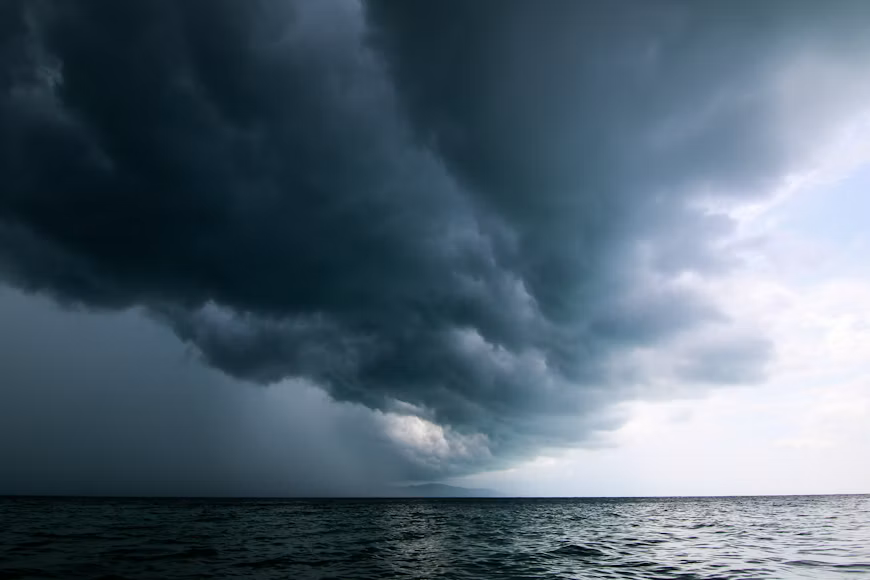
WASHINGTON DC. WA, October 10, 2026 — This week, Tropical Storm Isaias developed over the Gulf of Mexico and became the ninth named storm of the 2026 Atlantic hurricane season. The system is forecasted to rapidly intensify into a major hurricane in a few days. Travelers with upcoming plans across the Gulf Coast need to prepare for potential disruption in services.
An Imminent and Rapidly Strengthening Storm
According to the National Hurricane Center, Isaias is expected to reach Category 2 strength before landfall with maximum winds near 110 mph. Gulf waters are hotter than usual along its track, a situation that could promote quick strengthening. Forecasters say that the system will likely stay a hurricane until landfall.
Hurricane and storm surge watches have been posted from the Mississippi Coast eastward into the Florida Panhandle. The storm surge could also whittle away at homes and push seven feet of water inland on top of high tide, officials said. Near the coast, the storm will likely have a wide wind field and impacts spreading far from its center.
Flight and Travel Disruptions Likely
As the track of a storm becomes more apparent, airlines generally start to issue waivers for affected routes. Airline advisories should be closely observed by travelers flying into or out of Gulf Coast airports in the next few days. Real-time updates on delays and ground stops precipitated by severe weather events are provided by the Federal Aviation Administration.
Energy companies started evacuating nonessential personnel Monday from offshore Gulf platforms. Producers were shutting in about a quarter of regional crude output ahead of the storm’s arrival, according to reports. Such disruption would also impact the availability of fuel at airports and along major travel corridors in the storm’s path.
What Travelers Should Do Now
Anyone planning a trip to the northern Gulf Coast this weekend should review their airline and hotel cancellation policies. Most airlines offer flexible rebooking after a hurricane watch is announced for the relevant region of an airport. Now is certainly not an ideal time to wait until you have flown and scheduled in significant stress only to find out the refund and change policies.
Those already in coastal evacuation areas should plot an escape route from the region long before conditions begin to sour. Emergency management guidance from Ready.gov offers evacuation planning tips for both residents and visitors. Preparing essential medications, documents and chargers in a single bag helps ensure a quick departure.
Tracking the Storm’s Path
The track of Isaias’s actual landfall remains unknown, with different forecast models showing a landfall somewhere along the northern Gulf Coast, forecasters said. Impacts would be felt hundreds of miles away from the storm’s center where it ultimately makes landfall, due to the size of this system. Meanwhile, travelers farther inland should still be on the lookout for heavy rain and flooding risk as the system moves ashore.
Hurricane season lasts through the end of November so this may not be the final disruption to fall travel. Emergency planning resources from the Federal Emergency Management Agency outline steps families can take during active storm seasons. Until then all attention is on Isaias as it approaches the Gulf Coast in coming days.
Itineraries on cruise ships out of Gulf ports have also been adjusted prior to the storm’s landfall. Some of the big lines usually divert ships days before a storm is even in its forecast path. Cruisers with planned sailings should go to their cruise line’s weather advisory page for the most current updates on itinerary changes.
Travel insurance can protect against some trip losses due to a named storm, but coverage terms are inconsistent from one provider to the next. Policies bought before a storm is named tend to provide more coverage than those obtained after. Safety advisories published by the U.S. Department of State offer advice for travelers navigating natural disasters abroad or along major transit hubs. Any travelers anxious about travel plans to the Gulf Coast in the coming weeks should consult an insurance expert about hurricane and weather clauses pertaining to their policy.
Coastal communities are warning people not to relax as the storm is predicted to quickly strengthen, local officials said. Public weather warnings issued by the National Weather Service provide real-time updates on localized wind and flooding threats. The best way to get through the uncertainty in the days ahead is to stay updated with official information.