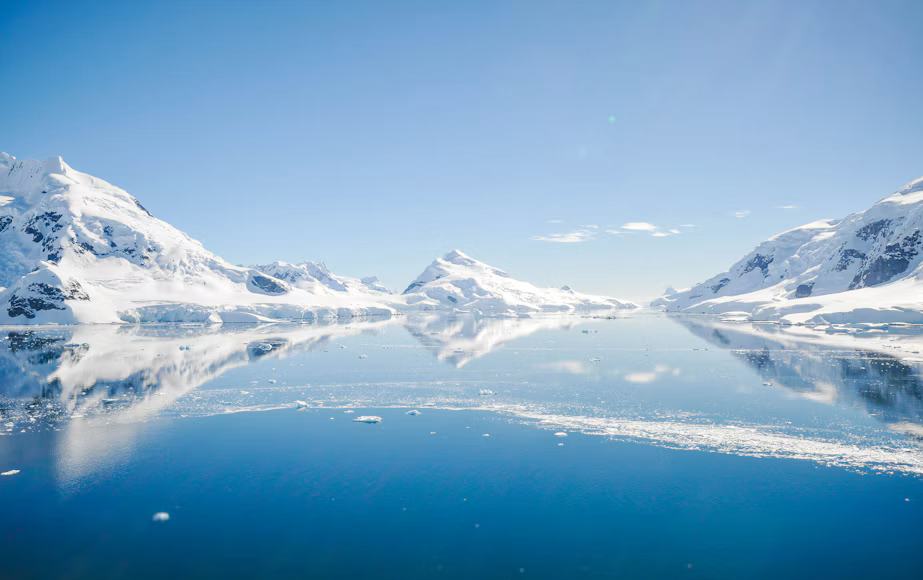
WASHINGTON DC. WA, October 8, 2026 — Antarctica’s outer sea ice kept dwindling up through the beginning of October, continuing a worrisome trend over the past half-dozen years. This winter’s ice maximum for the continent was the third lowest for any year since satellite records began. The persistent decline raises new questions about changes in the Southern Ocean over the long term, scientists say.
A Decent Winter Peak Well Below Normal
On September 14, Antarctic sea ice achieved its annual winter maximum of approximately 17.59 million square kilometers (6.80 million square miles). Research published by NASA reported the number came in about 1 million square kilometers short of the long-term average. All four of the lowest winter maxima in a row are from the past 4 years.
In contrast, Antarctic sea ice grows until the end of September or early October before it starts its seasonal retreat. And early-October data from this year has ice extent running slightly behind average for the date. Researchers say that it can take even more data review — and potentially weeks — to confirm exactly when the seasonal peak has occurred.
Antarctic vs Arctic: Why Ice In The Antarctic Moves Different
While much of the Arctic sea ice remains closed within surrounding landmasses, Antarctic ice floats freely in waters of the open ocean. Which means it is far more sensitive to changing winds and short-term weather patterns. Scientific overview provided by the British Antarctic Survey notes that this variability makes predicting trends in Antarctica over time challenging.
Antarctic sea ice was stable for decades, despite a steady loss of Arctic ice. Things took a decisive turn around 2016, however, when Antarctic extent started to fall off significantly in nearly every month of the year. This year low-pressure systems have been prevailing near the Southern Ocean, which could be responsible for the warmer conditions near the Antarctic Peninsula.
Regional Hotspots Driving the Decline
Some of the most dramatic ice loss has been seen in the Bellingshausen Sea and western Weddell Sea, located near the Antarctic Peninsula. The year has also seen below-average coverage in the Amundsen Sea and Indian Ocean sector. Regional climate tracking by the National Oceanic and Atmospheric Administration shows how shifting ocean currents influence polar ice distribution.
However, scientists point out that just one poor year does not mean the Antarctic ice has undergone a permanent change in behavior. However, the consistency of low values for four years in a row is something that researchers describe as truly alarming. Whether this is a permanent structural change will remain to be seen with continued monitoring through seasons.
What Comes Next
With the end of September, Antarctic sea ice will now also begin its seasonal decrease to its annual minimum, usually achieved in February. Scientists are closely watching to see if the low starting point this year sets up a similarly low summer minimum. The early indications are that the declining trend seen in recent years shows no signs of reversing.
Final confirmation of the 2026 winter maximum is to be published by researchers. They intend to do so only once satellite data stabilizes completely. Environmental metrics tracked by the National Science Foundation support long-term polar observation programs. Antarctica’s shrinking ice is still one of the most closely monitored climate indicators of the year for scientists tracking global climate patterns.
Antarctic sea ice loss, for example, would have different implications than melting Arctic ice, say climate scientists, because Antarctic ice is already floating on the open ocean. Unlike land-based ice sheets, when floating ice melts it doesn’t directly raise sea levels. Global environmental reports from the United Nations Environment Programme highlight how ocean warming alters regional ecosystems.
Wildlife scientists are also tracking impacts on species dependent on ice cover for breeding and feeding. Several years ago, scientists noted that emperor penguins cannot raise chicks in places where sea ice is neither stable nor predictable. For years, researchers have already reported troubled colonies or complete breeding failures after unusual years with little or unstable ice.
Over the months to come, international research groups are intending to broaden surveillance of this locale in the Antarctic Peninsula. Better satellite observations and supplementary field assessments should determine if the gap between recent declines and the typical retreat is a new trend. Scientists say despite the multiple competing influences, a continuation of low sea ice extent is one of the key signals to monitor in the Southern Hemisphere until more data arrives.