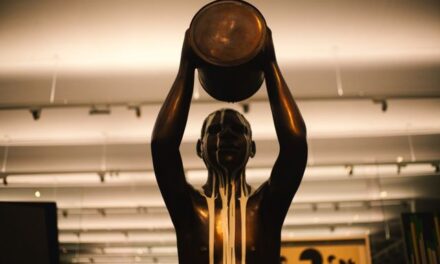
WASHINGTON DC. WA, October 8, 2026 — A missing bronze bust of Robert F. Kennedy once greeted fans outside Washington’s stadium since 1994. More than five decades later, the sculpture stood outside the old ticket entrance. And D.C. police are investigating who took the bust from the (now dismantled) stadium grounds.
An Obelisk that Outlived the Stadium Itself
The bust was placed in 1969, soon after the venue changed its name to honor Kennedy (assassinated a year earlier). Even as crews tore down the rest of RFK Memorial Stadium over the last few years, it continued to stand near the stadium’s main entrance. As the area surrounding it was cleared, the sculpture sat just outside of the construction fence along 22nd Street.
An employee of Events DC, the agency that operates the property, found the bust missing from its pedestal. Officials said the theft probably happened sometime between September 15 and October 1. While the pedestal itself remained erect, it has been placed in storage for safekeeping purposes.
An Inquiry With Few Early Clues
Officers reported the theft on Oct. 1. Detectives also have not identified any suspects and are uncertain how the bust was taken. So far, no surveillance video of the heist has been released.
Bronze statues have been stolen for their scrap metal in the past — a trend also reflecting thefts from other public memorials across the country. Historical preservation guidelines from the National Park Service emphasize security protocols for protecting public monuments and outdoor art. With the bust’s subject matter so well-known, whoever stole it would surely find it hard to sell as-is. Anyone with information is urged by authorities to contact local law enforcement.
The Sculptor’s Wider Washington Legacy
The bust was sculpted by Robert Berks, a Washington sculptor behind several notable memorials. Berks also created the monumental bust of John F. Kennedy that has been on view inside the Kennedy Center since 1971. He also created the Mary McLeod Bethune Memorial statue, located in Lincoln Park.
Berks specialized in monumental, but not strictly lifelike bronze portraiture that suggested the public personae of his subjects. His Kennedy family sculptures have become landmarks in the capital’s civic landscape. The RFK bust was one of his first and more personal works in comparison with the Kennedy Center piece.
What Comes Next for the Site
Kathleen Kennedy Townsend, daughter of Robert F. Kennedy, told reporters she has talked to Events DC officials and the Washington Commanders about commemorating her father at the site in the future. She said those involved still plan on including a tribute once it is officially constructed. Public advocacy resources maintained by Robert F. Kennedy Human Rights reflect the family’s ongoing commitment to civic initiatives.
The Commanders are developing a new stadium on the property, which may be ready in time for the 2030 season. Whether the original bust will be recovered or, at some future date, a replacement is installed remains uncertain. For now, the pedestal that once bore Kennedy’s likeness sits in storage empty while investigators seek more answers.
A Loss That Transcended the Field
For longtime Washington sports fans, news of the theft elicited familiar disappointment. The bust had been a landmark leading up to games. It was, for decades, an unofficial gathering location for fans entering the stadium entrance. The loss adds yet another layer of sadness to a site already denuded of the venue many saw as synonymous with it.
Local preservationists have cited the theft as a warning about how easily unprotected public art can fall victim to unintended consequences related to long construction projects. Demolishing sites or even ones being redeveloped will generally have smaller markers and monuments with less security. Cultural preservation guidelines from the National Endowment for the Arts highlight strategies for safeguarding public artworks during urban redevelopment. Advocates say the incident could lead to greater scrutiny on protecting other memorials throughout the city.
The Kennedy family has a history of engagement with civic memorials in Washington, many named after Robert Kennedy. Archives preserved by the Library of Congress document the civic history and dedication of public monuments across the capital. Even as the investigation remains open, there is a lot of public interest in the missing bust thanks to that broader legacy.