WASHINGTON, D.C., September 2, 2026– Capitol Hill held their breath until Tuesday. House lawmakers passed a stopgap funding measure in a 370-48 vote, dodging a federal shutdown just before voters choose their next leaders. Debate lasted for three hours. A swift vote. A huge sigh of relief from Washington. It was certainly not graceful, and nobody is boasting about a short-term solution; however, months of bitter budget bickering have ended in a continuing resolution.
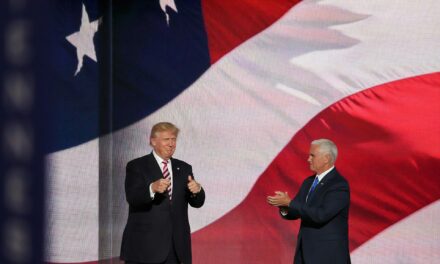
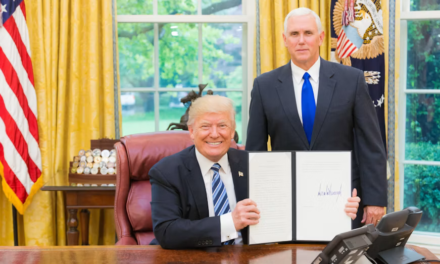
This ruling allows the stop-gap legislation to go directly onto the president’s desk. The president, Donald Trump, has promised to sign the bill into law, which means no disruption in funding, especially before the highly charged midterm elections in November.
But why’s this so crucial? Well, it’s because the voters are already tense about their escalating costs of living and other necessities. It was also undesirable for either party to tell its irate voters about yet another closed-door budget fight when the previous two battles related to health insurance and border security led to three government shutdowns over a period of 161 days last year.
“This will give Congress time to get past the November elections,” explained Representative Tom Cole, an Oklahoma Republican who chairs the House Appropriations Committee, noting that the clean stopgap avoids controversial policy riders.
On the other hand, Rosa DeLauro, a Democrat in the House of Representatives, referred to it as a necessary component of maintaining the legislative body’s oversight capacity. This is because this law prevents the executive branch from using federal money in programs not previously authorized by noting that “the power of the purse rests in the Congress”.
Yet the core underlying fiscal crisis hasn’t gone away.
Congress still has not made any progress on any of the 12 annual bills needed to finance national defense, housing, energy, and law enforcement at the federal level in the upcoming fiscal year.
But the figures for national debt have already exceeded the $40 trillion mark. This passage of the bill merely means that the parks stay open and that government employees will be paid until autumn. The tough decisions will be reserved for the post-election period.
When Congress reconvenes in December, the balance of power in politics will most probably determine the outcome of the negotiations. In the meantime, the government will continue to operate in an automatic mode.