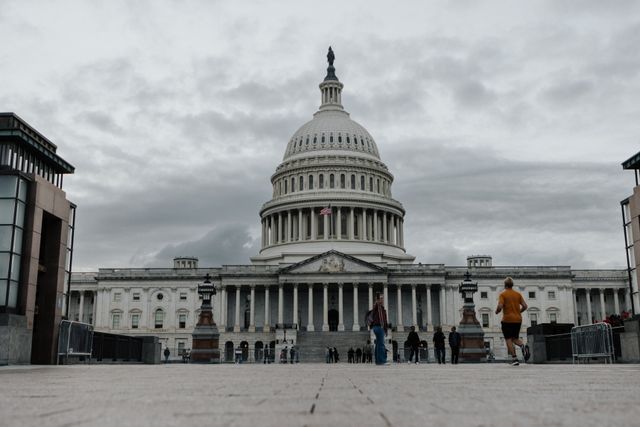
WASHINGTON, September 3, 2026– House Republicans aren’t holding back in their latest push to reshape consumer finance. Legislation that aims to strip the Consumer Financial Protection Bureau’s funding and regulatory authority has now been proposed, reigniting a fierce debate over how independent this consumer watchdog should really be.
The Consumer Financial Protection Accountability and Reform Act of 2026 was introduced Sept. 1 by House Financial Services Committee Chairman French Hill of Arkansas, Financial Institutions Subcommittee Chairman Andy Barr of Kentucky and other committee Republicans.
It isn’t a simple administrative tune-up; it’s a fundamental challenge to the bureau’s design that legislators claim will create “a more transparent, predictable and risk-based regulatory regime”.
The cornerstone of the new bill targets the agency’s purse strings. Rather than drawing its cash directly from the Federal Reserve, the bureau’s budget would shift straight into the standard congressional appropriations process.
According to Barr, the CFPB has operated with a distinct lack of oversight for years, making direct congressional control essential. Hill echoed those concerns, arguing that shifting bureaucratic priorities, fuzzy legal definitions, and overlapping regulatory mandates have created head-spinning confusion for local lenders and Everyday consumers alike.
Beyond the budget, the proposal creates a new position of an inspector general appointed by the president solely for the CFPB. This office would be responsible for overseeing the spending of the bureau, an initiative that is presented by Republicans as a critical step towards improving administrative controls.
Rule-making would also face tough new hurdles. Before issuing new mandates, regulators would need to present a detailed breakdown of potential costs and benefits, paying special attention to how rules impact small businesses, financial innovation, and overall credit access. Major rules would undergo regular check-ups to verify they aren’t costing the economy more than they deliver.
To curb what critics call “regulation by enforcement,” non-binding agency guidance would no longer carry legal force. Regulators would also have to meet stricter due-process standards during examinations.
The measure also redefines the bureau’s ability to police Unfair, Deceptive or Abusive Acts or Practices (UDAAP). By narrowing the vague “abusive” label, the bill encourages proportional penalties while offering clear safe harbors for firms that self-report and fix issues on their own.
Additionally, the threshold for direct bank supervision would jump from $10 billion to $30 billion in assets, tying future increases to national economic growth and giving mid-sized institutions much-needed breathing room from constant audits.
Predictably, consumer advocates and Capitol Hill Democrats are sounding the alarm. They view the package as a thinly veiled attempt to gut the agency. Created under the landmark Dodd-Frank Act in the wake of the 2008 financial crisis, the CFPB was intentionally given independent funding so consumer protection wouldn’t be held hostage to annual political bickering.
For Republicans, that very same independence is the core issue. Policy analysts view this legislative push as a serious attempt to rein in unbridled administrative discretion and re-establish firm statutory boundaries in Washington.
The bill now faces the long, familiar climb through committee hearings and cross-chamber negotiations in both the House and Senate.