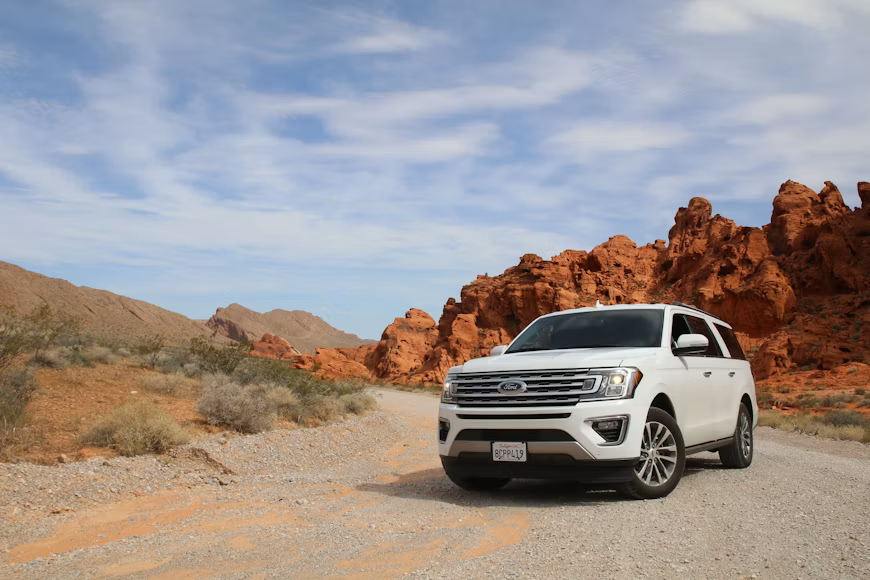
WASHINGTON DC. WA, September 9, 2026 — Transportation Secretary Sean Duffy sent a formal letter to Ford Motor Company on Tuesday demanding that the automaker terminate its strategic partnerships with Chinese firms, in accordance with trade oversight policies enforced by the U.S. Department of Transportation. Duffy pointed to Ford’s agreement with China’s CATL to produce batteries, as well as his vehicle partnerships with Geely and BYD. In the letter to CEO Jim Farley, he described the arrangements as a “grave threat” to national security.
Battery Plant Under Scrutiny
Duffy said his department continues to be “seriously disturbed” by the Ford-owned CATL technology at a new battery plant in Michigan. The letter cites a Pentagon list of companies with links to China’s military that includes CATL, maintained under security frameworks by the U.S. Department of Defense. Ford licenses the technology to produce lithium iron phosphate batteries at the Marshall, Michigan facility.
BlueOval Battery Park is designed to produce battery cells that are cheaper and more durable than previous generations, supporting clean energy goals outlined by the U.S. Department of Energy. Most of that battery, which has seen a rapid increase in popularity recently, is produced by CATL, the world’s leading producer of that type. Duffy contended the licensing agreement leaves Ford reliant on technology developed in China for a key product line.
However, automotive industry analysts note that technology licensing agreements remain widespread across the sector despite mounting political scrutiny, as highlighted in trade reports by the International Trade Administration. Some other competitors, too, make more or less use of Chinese-developed battery technology. That industry trend is more broadly present, but Duffy’s letter identified Ford specifically.
Duffy’s letter called Ford’s strategic choices “a troubling picture” for an American nameplate. He called it the company was “briskly tying its own future to Chinese state-backed companies,” expressing economic security concerns regularly examined by the United States Trade Representative. The letter came after Duffy had appeared with Trump last week in a separate Oval Office meeting.
Ford Pushes Back Hard
Ford strongly rejected the claims in an official statement, characterizing the letter as a political maneuver, a position detailed directly on Ford Newsroom. The automaker said it owns the Michigan plant, runs the facility and directly employs the workers. “While other companies are importing batteries from China, Ford is making a major investment to build them here in America,” the company said.
Company officials emphasize that licensing technology is fundamentally different from importing finished battery units, aligning with domestic manufacturing incentives under the Inflation Reduction Act. According to them, the deal moves jobs and technological expertise in manufacturing onto U.S. soil. Duffy’s letter does not suggest that Ford has plans to sever ties with CATL.
More Deals Draw Criticism
Duffy also knocked a Ford joint venture that allows Geely to produce cars at a plant in Spain. The arrangement, he cautioned, “tip the balance toward strategic adversaries gaining a crucial foothold in Western markets,” an issue relevant to international trade analyses by the Organisation for Economic Co-operation and Development. Duffy also criticized Ford’s choice to continue building the Lincoln Nautilus in China until 2030.
It said that the delay keeps Ford “dependent on Chinese manufacturing capacity for four to five years longer than it should.” Duffy, however, categorized Ford’s continuing negotiations with BYD over hybrid vehicle components as a possible risk, citing supply chain security standards evaluated by the U.S. International Trade Commission. He said those talks could entwine subsidized foreign technology deeper into the heart of Ford’s supply chains.
Ford has not elaborated its intentions on either the Geely joint venture, or BYD component talks. Farley’s China strategy — or lack thereof — began to take shape gradually after he took the CEO job in 2020, as discussed in global market studies by the Center for Automotive Research. Nevertheless, Ford still relies on Chinese suppliers for some portion of its worldwide network as per analysts.
Bigger Trade Fight Looms
The letter comes as Congress advances legislation to place stricter restrictions on Chinese-manufactured vehicles in the U.S. market, tracked via legislative dockets on Congress.gov. Automakers including Ford and Toyota recently pushed lawmakers to enact that ban before the end of 2023. It also urged Congress to prevent BYD and other Chinese automakers from getting exemptions.
President Trump is scheduled to hold talks with Chinese President Xi Jinping in coming weeks, weighing on the wider dispute involving Ford’s supply chain and broader foreign policy strategies. Duffy’s letter indicates the administration wants more aggressive scrutiny of ties between the Chinese industrial complex before that meeting. How Ford responds may define the national debate over the Chinese content of American automobiles.