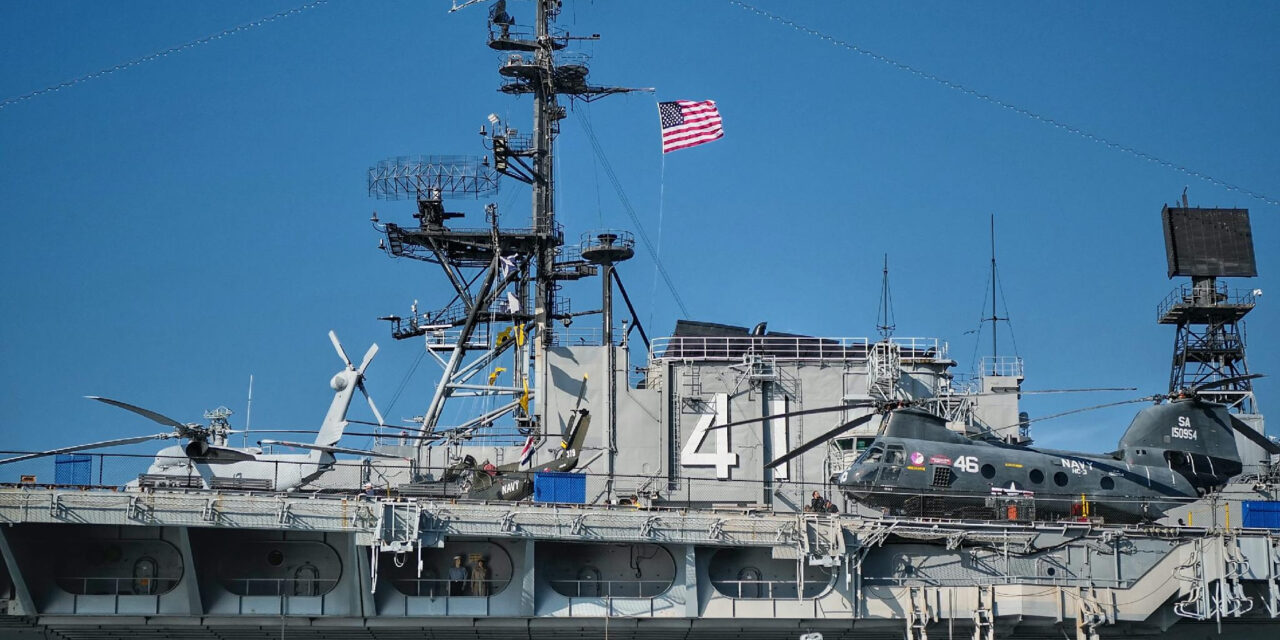
WASHINGTON, D.C, WA, August 14 2026 — American shipbuilding has long been a focus for President Donald Trump as part of his maritime strategy and national security agenda. The ADM wanted more robust shipyards, bigger supply chains, and a larger, better-skilled maritime workforce. Approximately 40 percent of the Navy’s vessels are considered “aging” and require stable demand for the shipbuilding industry, targeted investment, and more robust suppliers, the Navy said.
Over the years since fiscal 2018, Congress has devoted more than $20 billion for resilience and expansion of the shipbuilding industrial base. The funds have gone to shipyard facilities, to workforce programs, and to risk-reduction supply chain work. The expenditure was described as a worrying figure for future shipbuilding capacity.
A May 2026 shipbuilding plan from the Navy describes domestic capacity as a whole-of-government issue. It includes provisions for commercial and defense shipbuilding, ship repair and marine transportation, ports and suppliers all within the marine sector. This broad approach connects naval readiness with the broader supply chain of the maritime economy.
FEDERAL INVESTMENT: Shipyards, Suppliers, Infrastructure, and the Skilled Maritime Workforce
The long lead time to build ships, the shortage of skilled workforce, deep-rooted issues with suppliers, and equipment limitations plague shipyards. If it is right that naval building needs specialist skills with long lead times, then workforce development is central to it. Trained workers and dependable suppliers are required for full capacity at new facilities.
Outlook: The administration’s shipbuilding plan emphasizes domestic industrial and maritime resilience for the U.S. Navy. It links shipbuilding to suppliers, infrastructure, workforce development, and long-range demand. The U.S. Navy shipbuilding plan provides the official framework for the rebuilding effort.
Through the initiative, the administration also seeks to incentivize private capital to support investment by the federal government in the maritime industrial base. Shipbuilding companies need assurances before investing revenue in capital improvements. Investors can then use predictable contracts to formulate judgments regarding the commercial viability of increased capacity.
Commercial shipbuilding and Defence production become tied with broader industrial resiliency
The entire [sector] could be rebuilt, generating jobs in shipyards, steel production, engineering, transportation, & marine equipment, she added. Contracts for engines, electronics, steel products, coatings, valves, and other components could go to smaller suppliers. The impacts could ripple through maritime production to industrial communities.
According to the administration, stronger shipyards will help increase naval readiness while decreasing reliance on foreign maritime capacity. Commercial Shipping Contributes to National Resilience During Major Disruptions. Consequently, part of the larger maritime strategy also includes port infrastructure and repair capabilities.
Recovery of American shipbuilding has become a medium-term industrial project after decades of capacity pressures. At the same time, the Navy is coming under increasing pressure to grow the fleet while building new production capacity. Not all constraints can be alleviated with new facilities and trained workers appearing on the market quickly enough.
The continued successful ordering will determine the results in the longer term: availability of private capital and Expansion in production capacity
The key is whether federal spending channels go to building long-lived production capacity, not just flashes of activity. The approach links defense spending with industrial policy, workforce development, and supply-chain resilience. Shipbuilding constitutes a defense program to the extent the ship remains a key feature of national security and an industrial rebuilding effort for Washington.
Shipyards today are challenged by not enough docks, specialized machinery, supplier shortages, and recruitment of workers. Adding capacity to one plant does not unclog constraints at other points in the production line. Therefore, the Navy requires coordinated investment through yards, suppliers, ports, and training programs.
Maintaining skilled workers and supplier relationships between naval contracts, commercial shipbuilding can be leveraged to sustain defense capacity. Wider merchant fleet infrastructure also aids timely provision of vessels and crews and logistics on demand during national emergencies. Thus, the maritime policy includes much more than the Navy’s annual procurement plan.
The answer to industrial revival is orders, not one-off stimulus packages. But Before Expanding Facilities or Hiring Lots of Workers, Shipyards Need Predictable Workloads. Washington will gauge progress based on delivery schedules, production capacity, workforce expansion, and supplier robustness.