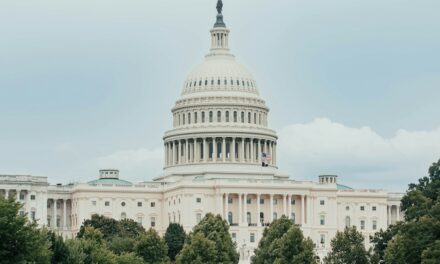
WASHINGTON DC. WA, September 7, 2026 — A federal appeals court panel dealt a major setback to the Trump administration on Friday, blocking its request to use a federal immigration database to cross-check voters’ citizenship on state voter rolls.
What the Ruling Says
The U.S. Court of Appeals for the D.C. Circuit overruled the lower court’s injunction in a 2-1 decision. The decision is- critical ruling comes just over two months before the midterm elections on Nov. 3. In a decision written by Chief Judge Sri Srinivasan, joined by Obama appointee Judge Robert Wilkins, the panel found that using the Systematic Alien Verification for Entitlements (SAVE) system to conduct voter purges violates the Social Security Act. A panel then warned the hand-off of sensitive U.S. Department of Homeland Security files to state officials presents serious privacy risks to millions of Americans. Trump-appointed Judge Gregory Katsas dissented. Most criticized major problems with the data that underpins database matching, arguing that expanded cross-checks are creating far more erroneous flags of naturalized citizens. Administrative mistakes made by state election officials could put eligible voters in the middle of bureaucratic hell as they prove they are citizens to be allowed to remain registered, warned the court.
Who Brought the Case
The lawsuit was brought by the League of Women Voters alongside several voting rights groups. Plaintiffs argued that aggressive database matching creates systemic errors that heavily impact populous communities of color. Given historical barriers to registration, voting rights advocates stressed that a flawed automated purge system carries disastrously high stakes. The D.C. ruling creates a stark legal conflict across the federal bench. Back in July, a federal judge in Florida ordered Homeland Security to restore SAVE access for four Republican-led states. With conflicting decisions now active in multiple jurisdictions, parallel litigation over the database’s legality continues to play out across the country.
The Administration’s Position
The administration argues that providing states access to the SAVE database is a critical tool for ensuring accurate voter rolls in advance of competitive midterm races. Given that Congress is divided at wafer-thin margins for Republicans, any policy that changes what drives voter turnout means political trouble. Lawyers from the Justice Department are set to launch expedited appeals over coming days. Proponents of the policy assert that automatic citizenship checks preserve election integrity and do not impede eligible voters. Critics argue that immunizing voting records from public scrutiny compromises voter privacy and that there is no evidence of mass noncitizen voting. That core dichotomy is center stage in the national legal fight now under way.
What Comes Next
The decision Friday leaves the national injunction fully in place while the underlying lawsuit continues on the merits. Mail-in ballots are starting to go out and both sides dug in for protracted courtroom fights this fall. Legal watchers expect the conflict to eventually reach the Supreme Court. Meanwhile, local election officials in several states say they have no plans to adopt the new rules and will continue relying on traditional verification methods that are already in place. Citizenship documentation rules at the state level are still all over the map and unrevised by Friday’s rulings. Even so, the case is seen by voting rights groups as an important bellwether for challenges to election integrity across the country.