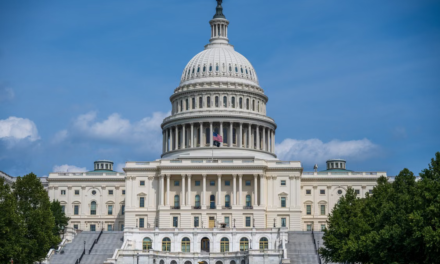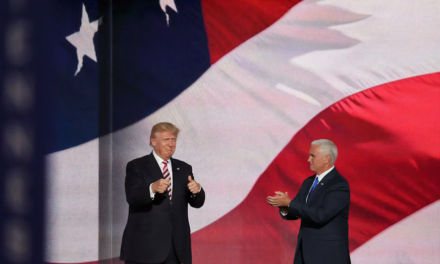
WASHINGTON DC. WA, September 23, 2026 — This week at the United Nations, President Donald Trump defended a military operation against Iran that has lasted well beyond six months. His speech followed the almost complete closure of the Strait of Hormuz to normal commercial shipping. The world’s leaders came to New York looking for any crack for a peace of positioning toward de-escalation.
THE FIRST REFLECTION IN A YEAR
Trump is a former president himself who boasted to the General Assembly about how American strikes last fall had “totally destroyed” Iranian nuclear sites and ensured regional peace. Those strikes were later belatedly adjudged by experts to have only delayed rather than destroyed the program. And this year’s speech signals that a war has spread rather than ended since that assertion.
U.S. Ambassador to the U.N. Mike Waltz said Trump will make the case that Iran cannot be allowed a nuclear weapon. And the president was also expected to discuss Gaza and talk about this administration’s overall strategy in the Middle East. Analysts said the speech was crafted as much for homegrown midterm audiences as it was for the assembled delegates.
The Houthi Complication
Nearly nine months after Saudi Arabia led a coalition of countries to drive back Iranian-aligned Houthi fighters in Yemen, Trump’s message became much more difficult to sell. The group has already made inroads into islands situated close to the Bab el-Mandeb Strait, which may provide Iran with a route over which it can launch its threats on oil supplies directly from Yemen. The escalation has pulled Gulf allies into discussions about what to do next in the region.
However, Trump was meant to talk to GCC leaders alongside the full assembly this week. Saudi Arabia, the United Arab Emirates, Qatar, Bahrain, Kuwait, and Oman were all expected to participate. The negotiations sought to craft a blueprint for regeneration in the wake of fighting between the U.S. and Iran.
Signs of a Possible Off-Ramp
This month, Trump said Iran reached out directly about a deal to end the war. “We are at the end now hopefully,” he told reporters, but did not indicate a timeline for an end. Iranian officials, meanwhile, have sought a widening diplomatic gap with China.
China has called on both sides to return to talks, pledging itself—in its characteristic fashion—fully prepared to help. Pakistan has also served as a go-between in the war, with its international minister talking straight with Iranian counterparts. Those concurrent diplomatic tracks show that at least one other country sees an opening in the current impasse.
What Comes Next
The U.N. Security Council has also separately warned that the Houthi assaults threaten to spread the continental fighting. Some of the most senior Israeli officials monitoring developments in this aspect of the war also say any American choice to take its own military action after that course would likely have to come within the backing of regional allies. Trump has signaled he does not want to take on any large new military commitments before the midterms in November.
In the meantime, the president told world leaders that he didn’t listen to offending words with assertion but also recognized that diplomacy was still possible. The extent to which meetings this week yield tangible steps towards negotiation may be down far more to what is decided off the platform. Analysts warn that General Assembly week seldom yields breakthroughs, even when stakes are this high.
Regional allies in talks at the assembly said they hope the week’s discussions would lead to at least an outline for de-escalation. Some Gulf officials have privately said they are frustrated at the squeeze between Saudi demands for backing, on one hand, and fears of a regional conflagration on the other. Much of the private diplomacy exercise correlated with such speeches this week has been shaped by that tension.
The strait remains closed, so energy markets have hung on every signal from New York. Any real ceasefire suggested by the analysts may boost oil prices to fall even in the short term. On the other hand, an announcement of renewed escalation has routinely caused price spikes back within hours.
At home, the war’s economic impact has turned into an increasingly heavy political burden for Trump’s party as November midterms loom. Democrats in many swing districts have run ads focused on rising gas prices all around the country. How the president talks about the endgame of this conflict in the next few weeks will likely influence those races as much as any policy detail.