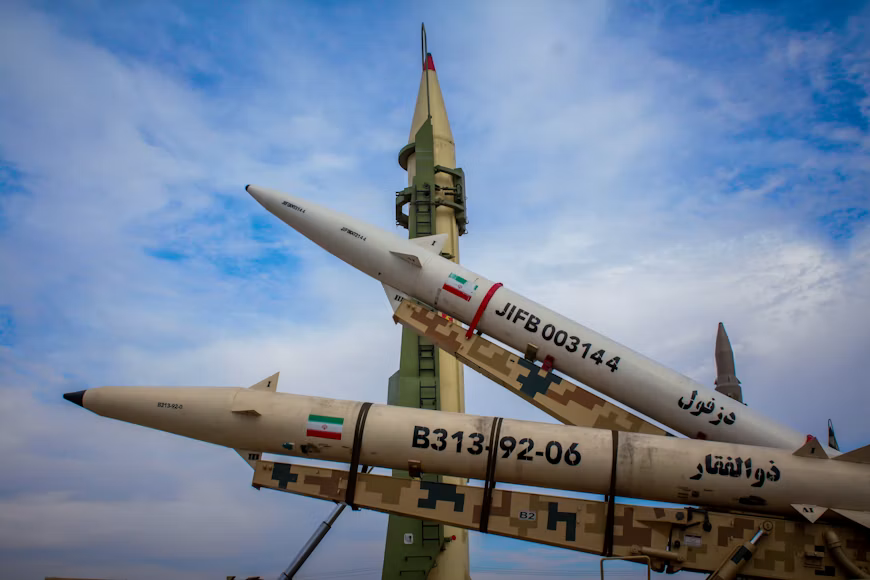
WASHINGTON DC, WA, August 25, 2026 — The level of public support for the continuing U.S. military offensive against Iran had dropped to the lowest level since before the war started. A four-day poll that concluded on Monday found only 31 percent of Americans support the military action. That number is down from 37 percent in March and 34 earlier this month.
A Record-Low Presidential Approval
The overall approval rating for President Trump remained at 33 percent, the weakest figure of his presidency. This represented the second-straight survey that recorded that same historic low. The unpopularity of the war seems to be dragging on the president’s overall standing with voters as well.
Support for the war among Republicans dropped as well, to 69 percent from 77 percent in March. That erosion among the president’s own base marks deepening unease in his coalition. Support from Independents and Democrats for the conflict was far lower than among Republicans throughout most of the polling period.
Rising Costs at Home
Gasoline prices are up over a dollar a gallon since the start of war six months ago. In 2024, it was Trump who campaigned against endless wars abroad and on pledges to get inflation under control. And with midterms approaching this November, those price rises now complicate that promise.
Eighty-three percent of those surveyed expect the conflict to drag on for a long time. That number is down from 80 percent earlier in October, reflecting increasing pessimism about a quick end to the impasse. Voters say increasingly that they expect the war to continue taking center stage over the fall campaign.
Economic Pressure on Iran
On Monday Treasury Secretary Scott Bessent warned that sanctions could be broadened to include countries conducting commercial activities with Iran. The political sensitivity of the conflict was evident as he did not immediately impose further penalties. Officials say the administration is considering additional economic pressure, as opposed to increased military engagement.
The administration has not specified a timeframe for any future sanctions package. The delay, analysts say, tells the story of competing pressures from allies and domestic political considerations alike. Republicans in Congress have been ratcheting up rhetoric about the impact of war on gasoline prices and public opinion.
Political Stakes for November
To review presidential public approval trends over past administrations, researchers can explore the National Archives Presidential Library Portal.
The White House did not comment directly on the newly polling figures. Officials insist the military campaign is vital for national security.
Pollsters say the healthy numbers likely reflect building agitation over the war and its economic consequences. White House officials argue public perception will change as the conflict comes to a conclusion. The developments have attracted the attention of several Democratic lawmakers eager to force a congressional debate over future funding.
Analysts observe that in long military campaigns like this, public support tends to slide down bit by bit rather than return above water as normally cheer leading reaches a crescendo. This behavior was observed during other prolonged U.S. military actions abroad in previous decades as well. The conflict looms large in the forecast that may see the trend reverse over coming months.