WASHINGTON, D.C., August 17, 2026- A decade after the District of Columbia Water and Sewer Authority (DC Water) began converting treated wastewater residuals into a commercial soil product, the program has grown into a national model for turning what was once considered waste into a recurring revenue stream, cutting the utility’s carbon footprint, and supplying local farms with a steady source of nutrient-rich fertilizer.
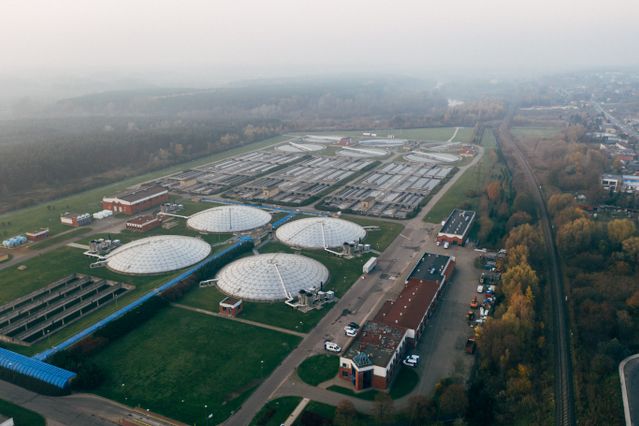
This product, known under the brand Bloom, is produced in the Blue Plains Advanced Wastewater Treatment Plant, employing thermal hydrolysis and anaerobic digestion—a sophisticated treatment technology which meets the EPA Exceptional Quality (EQ) biosolids-derived products criteria. The distribution and marketing of the product is controlled by Blue Drop, a nonprofit venture started by DC Water to sell the product in the Mid-Atlantic region.
According to the ten-year performance data released by the utility, the Bloom project has delivered more than $13.5 million in combined revenues and savings to the ratepayers since its creation ten years ago. As of today, the utility has sold close to 400,000 tons of Bloom materials, and the initiative now operates within the framework of a program involving 728 customers residing in 227 ZIP code areas in Maryland, Virginia, Washington, D.C., and Pennsylvania. The sales have been growing at an average yearly rate of 22 per cent, making it possible for the utility to reduce the payback period of its technological investment from initially estimated 19 years to only 13.
Chris Peot, president of Blue Drop and director of resource recovery at DC Water, framed the milestone as a structural shift in municipal utility management: “Instead of disposing of this material as waste, we are putting it to good use, lowering costs for customers while supporting regional agriculture and protecting the environment.”
Apart from Bloom’s soil product, the process that goes into making the soil product also produces renewable gas that gets captured and put to use as fuel at Blue Plains. This fuel reduction means that the utility becomes less dependent on energy sources from the outside and results in a reduction of their carbon footprint by approximately 50,000 metric tons of carbon dioxide equivalent each year, according to the Environmental Protection Agency’s greenhouse gas equivalency calculations.
The agronomic qualities of the product have not been immune from academic studies either. The scientists of Virginia Tech and the University of Maryland have investigated the impact of Bloom on soil, finding that it can improve the structure of the soil, boost crop productivity, and enable plants to cope with drought better than soil not treated with the product.
A community dimension is an important part of the program as well. The greenhouse activity of the organization makes it possible to grow 11,000 vegetable plants per year to be distributed among the local growing initiatives producing tons of fresh vegetables.
To mark the milestone, the utility and Blue Drop hosted a gathering last week at their headquarters, bringing together farmers, researchers, landscapers, environmental groups, educators, and municipal leaders who have supported the program’s growth over the past decade.
The changes at Blue Plains reflect the nationwide trend of interest in the EPA biosolids program, where urban utilities have been moving away from the conventional practice of landfills and incineration to reutilization practices.