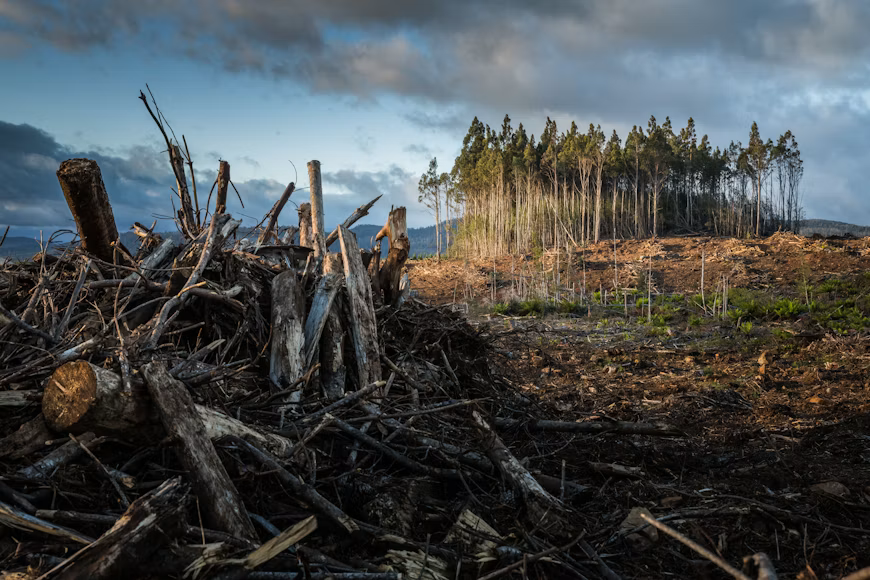
WASHINGTON DC. WA, October 6, 2026 — The US Supreme Court this week heard a case that could change the way courts nationwide approach climate change lawsuits — one of several high-profile issues on the docket as justices opened their new term. Justices showed some splits on whether local governments have the right to sue oil and gas companies for damage related to increasing disasters. The results could impact scores of similar cases already moving through the lower courts.
The Central Case In The Dispute
The dispute arises from Boulder, Colorado suing many large energy corporations. City officials contend that the companies should help pay expenses associated with climate change-related catastrophes such as wildfires, floods and other disasters. The official Supreme Court docket lists details of the case.
Boulder’s attorney, Matthew S. Murdock, said the case is about fraud, not emissions. He said the companies misled people about climate imperatives for decades. Energy companies argue that climate policy is a political issue best left to Congress and not an array of state courts.
Arguments on Both Sides
Lawyers defending the oil and gas companies say that letting local lawsuits go forward would give rise to a confusing stew of rulings across the country. They cautioned that any local government could sue a company in another part of the globe for climate emissions. The companies have argued that state claims of this kind are preempted by federal law.
Boulder’s attorneys responded that Colorado tort law applies because the claims are about “deceptive representations to the public,” not interstate emissions regulation. They contended that local governments are entitled to a means of recouping expenses related to damage caused by climate change hitting their own constituents. The justices also put questions to both sides not only about the merits but even as to whether the case was properly before the Supreme Court at all.
Dozens of Similar Cases Await
In the past several years, cities and counties have filed about three dozen lawsuits of their own. A number of those cases have been put on hold while courts wait to see how the Supreme Court will decide the Boulder dispute. If Boulder wins, it could send a speedier wave of similar lawsuits throughout the country according to legal reviews from the Environmental Law Institute.
Communities in some states have pursued similar claims against large energy companies for expenses related to wildfires and floods. A slew of those suits allege that the industry misled consumers about the danger of its products for decades. A loss for Boulder, legal analysts say, would likely bring most of this litigation to a halt in its tracks.
What Comes Next
It will likely take several months before the court makes a final ruling, as major decisions usually come late in its term. Legal experts say the case raises larger questions about just how far states can go to regulate problems that reach beyond their borders. Energy analysts are watching the proceedings closely for clues from the justices.
In the meantime, communities with similar claims are in limbo until we find out whether their cases can proceed. Even if Boulder loses, energy companies have indicated they will continue to fight individual suits. The question of who will actually pay for climate damage remains unsettled.
This week in court, environmental advocacy groups demonstrated outside. Those backing the lawsuits say a decision against local governments would leave local taxpayers stuck paying for disaster recovery amidst rising insurance costs. They claim that companies already aware of the risk to their business should pay a portion of that financial hit.
Industry groups represented by organizations like the American Petroleum Institute have pushed back, arguing that a ruling favoring Boulder could subject companies to uncertain liability in hundreds of jurisdictions. They contend that a uniform federal climate policy — not a hodgepodge of localized lawsuits — represents the only practical way ahead. Some legal experts have noted that, in the end, how the court rules could matter as much as what it ultimately decides.
The case saw attention drawn early on for the ties between one justice and contributions from the oil industry. There’s been no action on whether the justice will recuse himself, although advocacy groups have called for him to do so. That dispute has brought scrutiny in a case already attracting national attention, as reported across legal news outlets.