WASHINGTON DC. WA, September 10, 2026 — You walk into a contemporary gallery these days and the political is never far from hand. In an indication this is less a fleeting trend in big cities than part of a greater cultural moment, curators are pointing that out as well.
A Long History Resurfacing
Art has long been a source of commentary — chronicling social movements, from public murals from the Depression era to protest graphics of the mid-twentieth century. What really makes contemporary production more distinct are the response times — some creators have rendered commentary in just weeks following landmark news events. Digital communications networks cause timelines of headline events and artistic expression to overlap, creating immediacy as a cultural asset.
Museums were once hesitant to display things that might be seen as explicitly political, but institutional viewpoints have changed over the decades. Funding entities for public humanities, like the National Endowment for Humanities, tend to have cultural organizations keeping record of how arts pose reflections on national dialogue. That open-door policy has inspired artists to grapple with thorny issues head on in their gallery presentations.
What Themes Are Emerging
Exhibitions nowadays often develop perspectives on economic situations, social policy or institutional governance. Many works include cost of living adjustment imagery and references to economic pressure that suggest they were inspired by common public grievances. Several works focus on the access to healthcare, public health policy and well-being of communities.
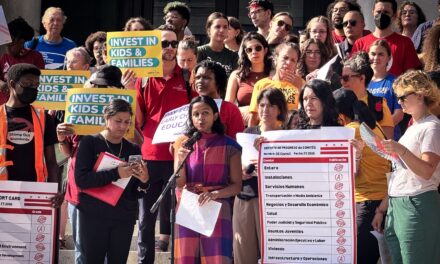
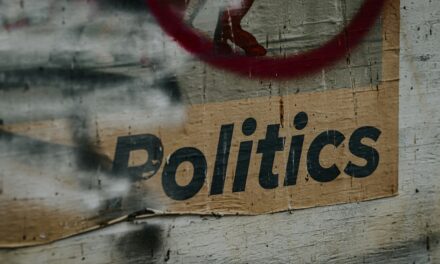
There are also public murals and street art, now more than ever, the position for you to bring a transparent message. Artworks that exist in public are viewed by large numbers of passersby without the restrictions of a gallery space. It is this accessibly that has made outdoor installations one of the most rapidly growing areas for social critique in contemporary art.
Art as Advocacy: An Argument
As the topic is still a matter of debate in some circles, opinions on whether visual art should adopt explicit policy stances are tussled. Those opposed to blatantly didactic or message-driven work point out that this approach often gives precedence to topical social criticism at the expense of a subtle kind of aesthetic depth. In contrast, most art historians contend that artistic expression has always mirrored the social situation of the day, meaning current work fits snugly into an already existing historical continuum.
While some collectors welcomed it and sought out socially engaged art, others did not want any pieces containing political content. These silos have resulted in separate pricing regimes amongst markets. According to gallery directors, with the right balance in approach and distribution tailoring, collector tastes are ever-changing so they tread carefully when pivoting towards seasonal exhibitions.
Where the Trend May Be Headed
Political themes will continue to be a major part of new exhibitions in the coming year, curators say, as the nation gears up for midterm elections. Socially engaged studio programs attract growing numbers of students in academic institutions and art schools. The thematic engagement is going to continue in the next generation of creative professionals because it is an educational interest.
Whether this trend is a permanent evolution or simply the latter remains to be seen and depends heavily on larger cultural and political trends. Art movements taking place in the context of analogous social developments are not unprecedented and often initiate long-sustaining change within a given artistic style or institution. For the time being, thematic models will out of necessity continue to keep civic themes in evidence across contemporary spaces.
These wider themes are also being adapted by regional art communities to resonate with local experiences. In the region, many artists – often working outside of major art capitals – respond to local socio-economic transformations, industrial transitions and community building. That geographical spread, ample since the days of History Painting (1815-1917), brings our national expression into multidimensions–one problem drawn through multiple latitudes.
Funding source of public works continues to be debated among communities, as well as grants for public art in civic environments. Municipal boards and arts commissions often review criteria for public art ever since those are at least partially funded by taxpayer dollars. Artists typically argue for creative independence and note that public art has historically functioned as a medium of civic discourse.
The conversation will inevitably continue in galleries, museums, and public spaces over the next few months. While institutional heads and private collectors keep an eye on how audiences respond to exhibitions oriented around public policy. No matter the opinions, though, can we at least agree that this focus on civic issues points to visual art as a site for public discussion?