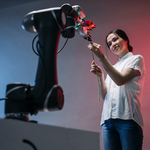
WASHINGTON, November 10, 2026 – Maya Lin watched from her brightly lit multi-monitor setup located in the engineering bay that lay adjacent to Miramar Road as algorithms checked the autonomous flight paths on bumpy coastal landscapes. Defence technology can be slow, being encumbered by long procurement cycles, certifications and integration processes. And then a corporate message flashed across her monitors, while coffee mugs froze midair, suspended in the process of going into the mouths of those across the building.
Autonomous defence technology specialist Shield AI has just announced a bold move that will shake up the autonomous defence technology industry.
The firm reached a definitive agreement for the acquisition of innovative radar solutions company Echodyne for an amount not exceeding $5.3 billion. To facilitate this agreement, which is pending customary regulatory approvals and is expected to close in early 2027, Shield AI managed to raise $2.5 billion in new funding, giving it a post-money valuation of $28.8 billion.
And this matters because fusing advanced software-driven autonomy with compact radar hardware is a crucial combination for autonomous systems operating in contested environments.
The use of Echodyne’s electronically scanned radar technology is going to help autonomous aircraft develop a better sensing system in environments where GPS is jammed or interfered with. When used together with the Hivemind autonomy software from Shield AI, the partnership shows the development of a vertically integrated concept: the software that directs the flight of the aircraft together with the hardware that allows the aircraft to comprehend the environment. Using both the software-controlled flight controls and radar hardware is going to give the joint venture an important advantage in winning autonomous defense deals.
Here’s the rub: Combining a multi-billion-dollar deal and expanding capital operations to such a scale is never easy. Integrating the engineering staff of both software and hardware systems never comes without any hassles.
Whether the strategy behind this $5.3 billion deal will prove successful in the future or not can only be known; time will tell. But what is certain as the engineers at Miramar Road get back to their simulators, the contest for dominance in autonomous defense technology has entered a new league.