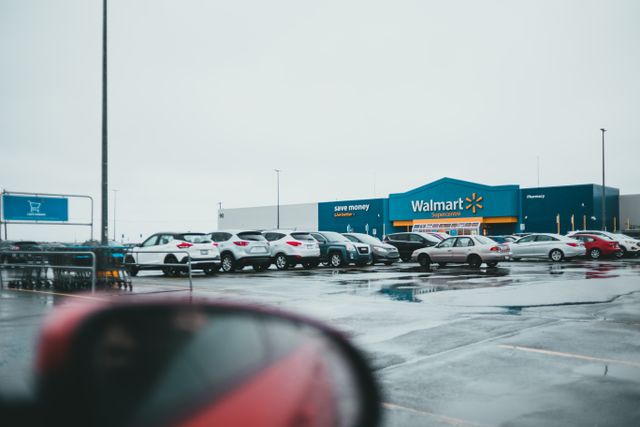
WASHINGTON, September 29, 2026 – The hum of fluorescent lights inside a Grapevine, Texas, retail aisle used to mean routine shopping—until small glowing screens began replacing standard paper price tags.
Now, with digital price tags placed in about 2,300 stores across America and plans to roll out to 4,600 more stores in the coming year, Walmart is now being put on the defensive. Customers and social media critics believe that the digital screens are simply a sneaky way of practicing Uber-type surge pricing.
The belief that exists on social media sites is very clear: buy a bag of coffee on a busy day, or even an overcast one, and see what the numbers show.
Or worse. What if an algorithm scans your purchase history or income tier to set an individualized price tag?
That’s where the executive office decided to intervene and quell the rumor-mongering. Through a direct letter sent to customers, John Furner, the U.S. CEO of Walmart, denied the claims that the company was using personal information or artificial intelligence to inflate prices.
“We don’t set different prices based on who you are or the time of day, and we won’t,” Furner insisted, making a clear point that whether someone’s rushing in for emergency groceries on a scorching afternoon or buying a television, the price stays the same for everyone.
And yes, this pledge extends to “Sparky,” the brand’s generative AI shopping assistant, which won’t tweak costs based on user chats.
The philosophy of the corporate defense is “everyday low prices,” and dynamic pricing depending on customer profile or demand surge, as Furner mentioned, would go against the principles of the company’s branding. The real reason behind the change in technology, in the opinion of corporate management, is much simpler and is related to problems arising from operations.
The process of replacing hundreds of small stickers for each item is extremely labor-intensive. Workers have been spending hours changing price stickers each week.
Modern digital e-ink shelf screens can make price changes happen digitally in a matter of seconds from the central system, leaving store personnel free to stock products or help customers in the aisles. The executives also emphasize that this kind of price update will take away the constant hassle at the cashier counter, such as when a discount initiated by a company at the checkout happens, but a paper label remains on the shelf.
But regulators remain vigilant. The Federal Trade Commission recently reminded business owners not to use consumer information to manipulate prices behind the scenes, as they see the wave of regulatory interest in algorithmic pricing coming.
Can prices still change on the new digital shelves? Of course. Rates will fluctuate as wholesale costs, supply chain shifts, or transportation expenses change—just as they always have.
Whether consumers will really believe that these digital screens won’t start harboring any hidden dynamic pricing algorithm in the end is yet to be determined. Meanwhile, the corporation maintains that this technology has nothing to do with anything more than pure efficiency.