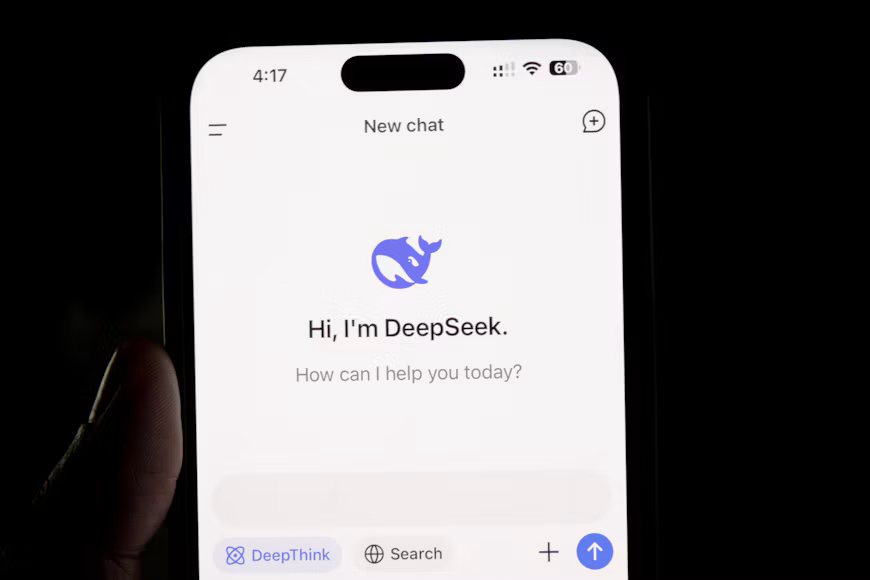
WASHINGTON DC. WA, October 21, 2026 — The Department of Homeland Security has ordered federal civilian agencies to remove Chinese AI company DeepSeek from their tech stacks. The order also prohibits agencies from purchasing products made by DeepSeek in the future. This decision stoked national security fears over how the company manages user data. Cybersecurity directives published by the U.S. Department of Homeland Security outline federal agency technology restrictions and supply chain security mandates.
The Scope of the Directive
An order signed last July and released this week encompasses more than DeepSeek’s own chatbot app. This also applies to any subsidiary related entity and any third-party product utilizing the technology found in DeepSeek. The wider threshold imposes fresh compliance requirements on vendors now supplying AI products to federal agencies.
The order was given under the Federal Acquisition Supply Chain Security Act, a 2018 law aimed at keeping contentious technology from government systems. Immediate Actions Required by Agencies Task Order1: Remove all existing DeepSeek products from procurement lists, equipment catalogs and online marketplaces. The full announcement is available in the Federal Register, where it was officially released on Monday. Federal procurement compliance guidelines published by the Federal Acquisition Security Council review supply chain risk management standards and agency exclusion orders.
Why Officials Flagged DeepSeek
In its filing, the Department of Homeland Security cited DeepSeek’s method for creating an account and also how it collected data. The app may also be able to track and digitally fingerprint its users, officials said, suggesting it goes further than similar software typically does. They also warned that sensitive government data could be transferred to servers in China.
In other news, some of the leading American AI developers have flagged a technique known as model distillation. It works by illegally using outputs for one AI to train another. Officials say these overlapping concerns strengthened the argument for a government-wide removal order. Artificial intelligence research briefings published by OpenAI examine model distillation practices and intellectual property protection in machine learning.
Part of a Broader Pattern
It isn’t the first U.S. restriction imposed on DeepSeek after a quick rise, as the company gained ground last year. Some agencies, like NASA and the Department of Energy, had previously instituted their own internal bans on the software. Other U.S. states also took similar actions, prohibiting DeepSeek from use on devices owned by their respective governments. Space exploration updates published by NASA review federal agency cybersecurity standards and software procurement prohibitions.
Unlike earlier restrictions, which were intermittent and sectoral, the new order scales across all civilian agencies at once. It does not cover some national security systems, which are part of the separate authority of the Pentagon and intelligence agencies. Congress has also acted on the matter, incorporating a clause into recently passed defense authorization legislation.
What This Means for Vendors and Agencies
Government contractors selling AI software to federal agencies are now being pressed to disclose if any DeepSeek components reside in their products. The directive disregards how products and services are brandished to government purchasers. That ambiguity may ultimately change the criteria agencies use to vet AI vendors in the future.
There is a specified window for agencies to seek exceptions or extensions of time in complying with reviews of compliance. The order is likely to shake loose even wider scrutiny into the ultimate sources of AI models, experts say. With that dilemma in mind, Model Provenance has emerged as a critical question for federal technology buyers instead of an afterthought. Technology industry compliance guidelines published by Gartner evaluate vendor risk management and artificial intelligence supply chain transparency.
Those teams working for agencies that have been affected have been told to watch network traffic carefully through the removal process. While migrating systems from DeepSeek tools, officials advise tightening logging and flagging unusual data activity. The guidance indicates anxiety about problems that could persist despite formal elimination.
The order could help push a wider transition toward homegrown AI models in government contracting, industry analysts say. Feds may reward vendors that can show clear, verifiable model origins in future bids. That transition could completely alter the competitive environment within the rapidly expanding government AI market.
This week, DeepSeek has not publicly responded to the order. The company received worldwide attention for its rapid rise last year, providing competitive AI capabilities at a fraction of what traditional development typically costs. However, with countries considering similar bans, whether the cost advantage is enough to stave off growing government restrictions remains to be seen.