WASHINGTON DC. WA, October 21, 2026 — Saudi Arabia postponed the flagship Future Investment Initiative conference until 2027, following a wave of deadly regional strikes. The event, often referred to as Davos in the Desert, was set to take place over four days from October 26-29. In a statement Monday, organizers confirmed the choice. Business investment profiles published by the Future Investment Initiative Institute track economic summit schedules and international corporate partnerships in Saudi Arabia.
Why the Conference Was Delayed
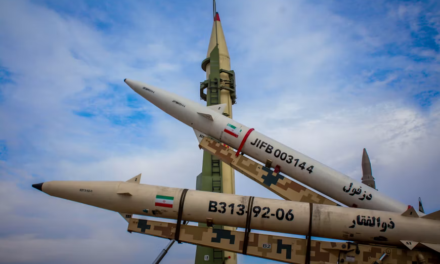
The delay comes after Yemen’s Iran-aligned Houthi group launch continuous missile and drone attacks. Recent weeks saw attacks on Saudi airport, energy and other civilian infrastructure. An attack on the international airport in Riyadh allegedly killed a minimum of twelve people.
International leaders have become more and more apprehensive since the kingdom has been under current conditions Some attendees had reportedly made plans to fly on through Bahrain to avoid Emirates Airways non-stop flights into Riyadh. Those logistical issues, along with the need for safety, ultimately impacted the organizers’ decision to put it off. Commercial aviation reports published by Emirates evaluate flight routing safety and regional Middle East air traffic schedules.
Focus on Saudi Economic Strategy
The Public Investment Fund of Saudi Arabia, the kingdom’s sovereign wealth fund, opened the conference in 2017. Since then, the fund has emerged as a leading vehicle for Saudi Arabia’s investment ambitions and attracted global finance, technology executives and policymakers. Making the gathering a focal point of Saudi Arabia’s plans to widen its economy away from oil reliance. Sovereign wealth fund analyses published by the Public Investment Fund examine economic diversification projects and capital investment strategies in Saudi Arabia.
The conference’s tenth anniversary celebrated the event with what was intended to be one of the largest programs yet this year. Delayed it marks a major blow to that milestone celebration. Organizers say a new date, to be announced in the next few months.
Wider Fallout from Regional Tensions
This turmoil has not only impacted this particular conference — but also the other events that were scheduled to take place within the kingdom. In recent weeks Saudi Arabia has rescheduled or cancelled fashion events as well as postponed major sporting competitions. The news of the delay reflects similar security concerns that are behind the postponement of an investment summit.
The analysts say the attacks are indicative of how a US-focused confrontation with Israel and Iran is altering regional business schedules. At the same time, Houthi forces have also directly attacked key elements of Saudi oil infrastructure, leading to increased concern over energy market stability as a whole. More: The International Energy Agency has monitored these linkages between disruptions in the Middle East and their implications for oil supply chains globally (see the agency’s oil market reports page). Global energy security assessments published by the International Energy Agency evaluate petroleum supply risks and Middle East oil infrastructure security.
What Happens Next for Investors
Saudi officials insist that the postponement is a product of logistics and safety planning rather than an abandonment of economic reform objectives. The postponement has not changed the kingdom’s broader Vision 2030 economic diversification plan. The officials insist that there will be no cancelation, but a rescheduling.
International investors, corporate leaders must now wait for a confirmation of another conference date some time in 2027. Until regional security conditions return to normal, there could be continued swiftness among many companies in not reentering Saudi markets. The postponement is one of the most concrete indicators yet of how international business planning is being reshaped by regional conflict.
Such withdrawals and criticisms have occurred in previous editions of the conference during turbulent political events—albeit for varied reasons. Whereas this year’s disruption is caused simply by issues of physical safety related to the ongoing regional war. It would help explain the difference in how organizers and attendees have responded to the postponement.
Financial firms with existing partnerships in Saudi Arabia say that they plan to continue their relationships, even after the postponed meeting. The postponement, they have explained, is more of a logistical issue than a sign that the group would shy away from the kingdom. Evidently that patience amongst international partners could wear thin with ongoing instability.
Meanwhile, Saudi officials have continued to court foreign capital through smaller, lower-key meetings. The sessions will enable business to continue while the larger flagship event remains on pause. The speed with which regional tensions are defused may dictate whether next years rescheduled conference goes ahead without further disruption.