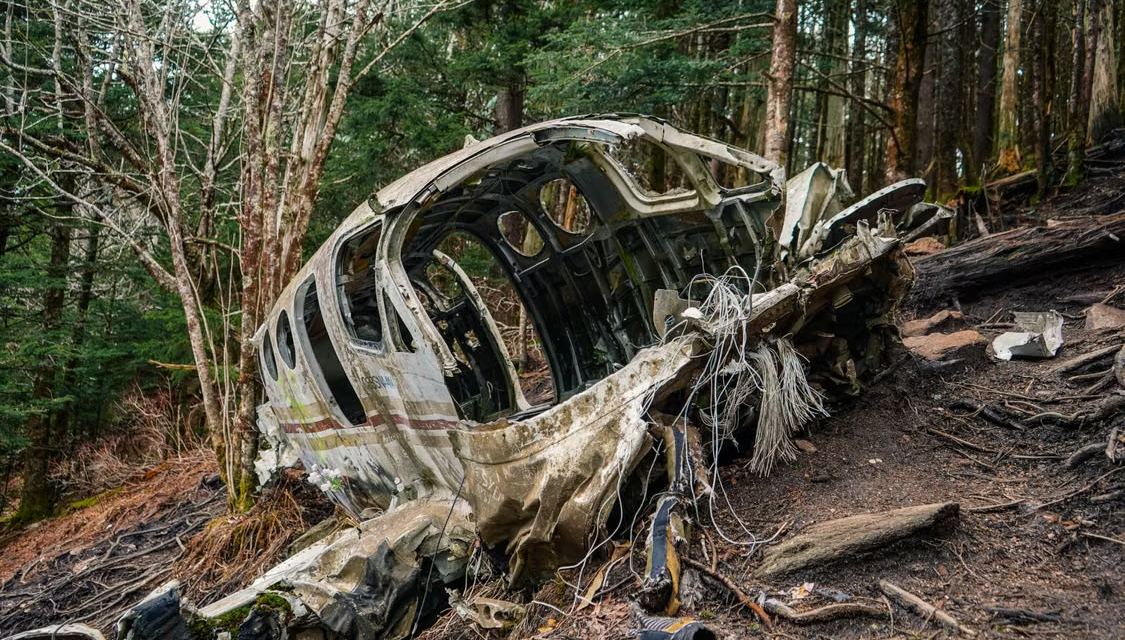
WASHINGTON DC. WA, November 3, 2026 — Federal officials have begun looking at possible proof that a private plane disintegrated while flying prior to crashing into a residential area in Florida, killing everyone on board. The Learjet 60 crashed Sunday afternoon into a residential area close to Cresthaven, in Palm Beach County. Investigators stated that severe weather in the region is still a major factor in the investigation, reviewed by aviation safety boards.
What Happened Before the Crash
A jet took off from Austin-Bergstrom International Airport in Texas and was en route to North Eleuthera Airport in the Bahamas when it crashed at approximately 12:50 p.m. local time. Prior to the crash, the pilots had stated that they encountered ice at 35,000 feet. Immediately following the pilots’ reporting of the ice, the jet started to descend rapidly. The jet’s rate of descent increased dramatically, going from about 10,000 feet per minute to almost 22,000 feet per minute, tracked via flight tracking services.
At the moment of the crash, a large storm system was passing through the area, with heavy rainfall and thunderstorm activity. According to National Transportation Safety Board (NTSB) member Tom Chapman, preliminary findings indicate that the aircraft had started to break apart prior to hitting the ground. Additionally, he stated that it is possible that debris from the plane will be located outside of the immediate vicinity of the main crash site, reported in aerospace news outlets.
Examining the Wreckage
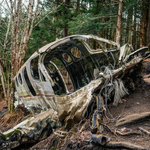
The crash created a large hole in the ground outside of an entrance to a mobile home community. The hole has some water in it due to the recent storm. Investigators say that they can tell by looking at the aircraft’s maintenance history that there was a cockpit voice recorder on the aircraft. However, they do not know if the recorder is still working, or if it has even been found yet. Investigators are confident that knowing what happened before the crash, through recovering data from the flight, will help them understand how the crash occurred. The FAA has records showing that the Learjet 60’s co-pilot was 20 years old and qualified to operate the Learjet 60, however he did not possess certification to act as the primary pilot (PIC). NASA Administrator Jared Isaacman stated that the co-pilot communicated with ATC up until the very last moment of the flight. Investigators are still trying to determine how much the lack of certification of the co-pilot contributed to the accident, examined through aircraft accident investigations.
A Focus on Weather Conditions
Chapman stated that the weather was a significant concern during the current investigation due to the severe storms that were occurring when the aircraft crashed. The combination of high altitude icing and high-speed descent create a high level of physical stress on an aircraft’s structure. Investigators are attempting to determine if these conditions alone would have caused the apparent mid-air breakup, or if there were other mechanical issues that played a role. On Sunday, the U.S. Transportation Secretary verified that there were no survivors from the plane crash. Emergency personnel and law enforcement spent the entire weekend securing the accident scene and recovering remains. Although the plane crashed into a heavily-populated residential neighborhood, no ground injuries were reported, monitored by transportation safety networks.
What Happens Next
The National Transportation Safety Board usually releases a preliminary report about the crash after a couple of weeks. A full final report will be released some time after. In addition, the NTSB investigators will continue to examine all available evidence including the wreckage, weather data, and the recovered flight recorder information. Until all of this analysis has been completed, officials are advising caution in making definitive statements regarding the precise reason for the crash. For those living near the crash site, the investigation has provided a fresh look at where planes fly when it’s raining or snowing heavily. Experts who study how to make flying safer have said that freezing temperatures and losing altitude quickly can still be dangerous for smaller private planes that operate high up in the sky. It is possible that the results of the investigation will provide new information about how to help prevent similar accidents in the future when other planes are being flown under similar circumstances, covered by global aviation reporting.