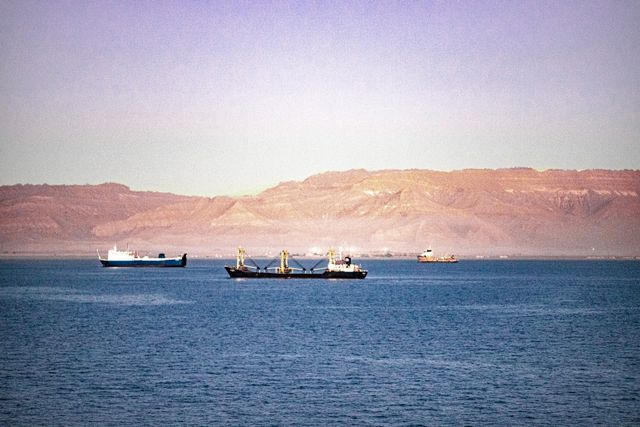
WASHINGTON, August 20, 2026– Oil prices remained elevated near a three-week high Wednesday as shipping through the Strait of Hormuz stayed effectively frozen and diplomatic efforts to reopen the critical waterway showed no sign of progress. Brent crude settled around $91.20 a barrel, while U.S. West Texas Intermediate crude closed near $85.10, with both benchmarks earlier touching their highest levels since late July before paring gains.
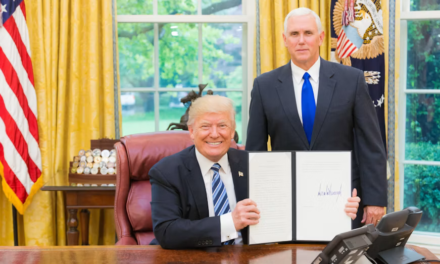
The key force behind this persistent pressure on prices is the continual blockage of the Strait of Hormuz, which was carrying around one-fifth of global oil and liquefied natural gas production before the current dispute between the U.S., Israel and Iran. President Trump stated Tuesday that no discussions are taking place with Iran, that the Strait remains open, and that the United States “has total control over Hormuz Strait.” Iran flatly disputed that characterization; an Iranian military spokesperson said no vessel could safely transit the waterway without Iran’s authorization, calling Trump’s claims “nothing more than lies.”
Adding to the confusion, a previous ceasefire period came to an end earlier this week, while a top Iranian official stated that his country was preparing to adopt a “fully offensive” stance due to the ongoing diplomatic deadlock without reporting any new attacks. Treasury Secretary Scott Bessent said the administration is preparing to impose economic measures against Iran that it describes as unprecedented, adding to the existing U.S. sanctions program administered by the Treasury’s Office of Foreign Assets Control, on top of the current U.S. naval blockade of Iranian harbors.
However, there is still evidence that the passage of the strait has not stopped completely. In the recent week, nearly 9 million barrels per day passed via the Hormuz Strait, according to U.S. authorities on energy issues – much higher than expected at 4 million barrels per day. Several oil-producing countries from the Gulf region, such as the UAE, Qatar, Iraq, and Kuwait, have continued transporting their oil through “dark” transits when turning off the transponders of their oil tankers. Iraqi government adopted several new measures for the exportation of its oil via international and domestic companies starting from September 1.
Still, experts agree that levels of assurance regarding safe passage are low, as volumes continue to be significantly below average, thus embedding geopolitical risks into prices. Some market strategists believed that the rise of Brent above $91 meant that traders were pricing in the possibility of oil prices moving back towards three-digit numbers if the impasse persisted or deteriorated.
The weakening of the U.S. dollar, which followed an announcement by the Fed of larger Treasury buybacks, provided yet another boost to oil prices, as it made crude cheaper for buyers using other currencies. In addition, this week the International Energy Agency’s August 2026 Oil Market Report warned that oil stocks will fall in the third quarter at about double the earlier estimated rate due to disruptions resulting from the broader conflict in the region.
The shortage of supply has also been exacerbated by the fact that Ukraine is conducting more intensive attacks on the facilities of refineries, pipelines, and oil tankers in Russia, resulting in record lows in crude processing capacity in Russia since May 2002 and the lowest level of oil production in Russia for six years. The exports from Russia’s Western ports are now running about 15% below expectations in the month due to damage to a critical port on the Black Sea.
At the same time, however, OPEC+ members approved on August 2 a final increase of 188,000 barrels per day in crude output for September, completing the group’s full restoration of the 1.65 million-barrel-per-day supply cutback it made in 2023, with plans to hold production steady for the rest of the year. Nonetheless, the ability of the organization to reach this goal under current regional tensions still remains questionable. As of today, traders view the situation at the Strait of Hormuz as the main reason for high oil prices.