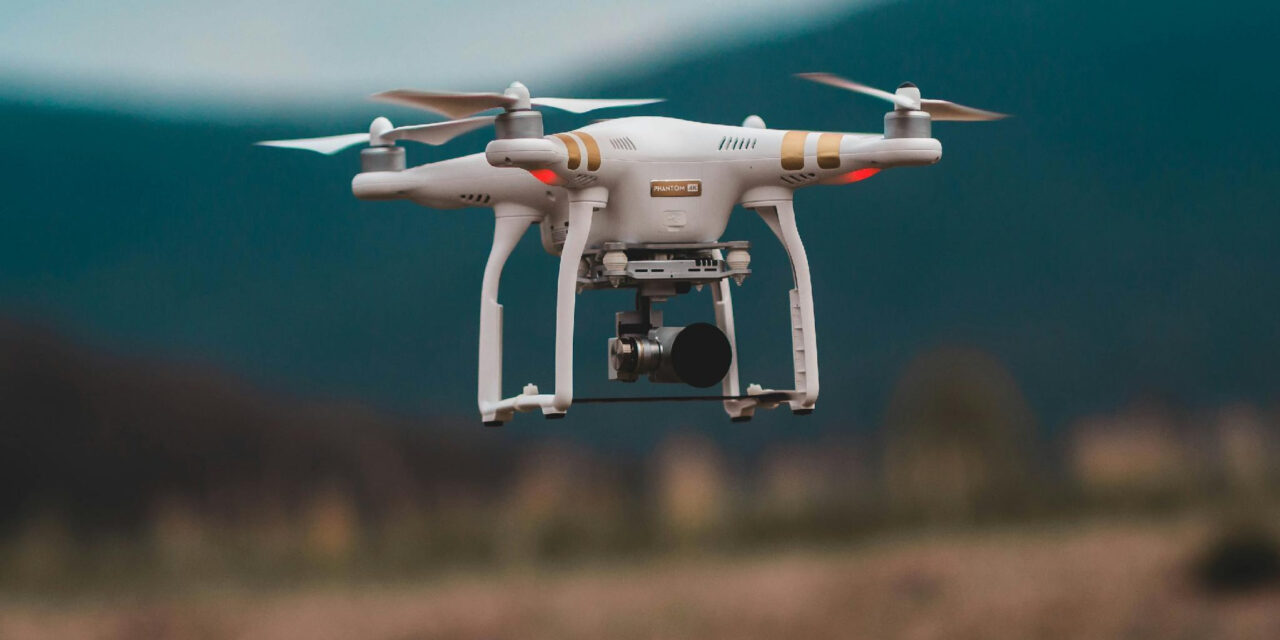
WASHINGTON, D.C, WA, August 14 2026 — Donald Trump has announced further tariffs on drones and some drone parts, citing a national security concern. The policy would apply to unmanned aircraft systems the administration says pose risks through reliance on foreign supply chains. The new policy imposes tariffs of up to 100 percent on a range of covered drones and components.
Controversially, imports of other drones attract a 25 percent tariff, while goods from key American allies are subject to varying rates of tariff. Importers and manufacturers will have a transition period before the measures come into force. The American market has a sizable share of foreign sales of unmanned aircraft systems, according to Commerce Secretary Howard Lutnick.
The administration said domestic producers were unable to provide sufficient quantities of drones and related equipment in support of national security interests. That difference has become a core argument for using trade policy to reconfigure the supply chain. Advocates argue domestic manufacturing would lessen reliance on foreign suppliers.
Domestic Production Emerges as Cornerstone of Washington’s Supply Chain and National Security Strategy
The costs of frames, sensors, cameras, communications equipment, and other parts imported by several companies can also increase. However, retailers and commercial operators could pass some costs to customers if alternative suppliers stay high-priced. Larger drone companies may face pressure as many drone businesses are based overseas for parts.
The tariff action announced by the White House is related to domestic production, supply security, and national defense, it said. The policy statement also details the administration’s concern regarding foreign dependency pertaining to the unmanned aerial vehicle sector.
The White House document provides the official framework for the administration’s approach.
In anticipation of duties, manufacturers may move assembly into the United States or switch several suppliers. That change could be good news for U.S. drone manufacturers, parts suppliers, and companies looking for contracts to build drones in the U.S. That could also compel firms to rethink pricing and sourcing strategies.
Higher Costs and Sourcing Choice for Manufacturers, Commercial Operators and Consumers
Proponents see strong American capacity as beneficial for military operations, emergency response, infrastructure inspection, and public safety. However, these tariffs will only increase prices, and by the time sufficient new capacity comes online to replace foreign capacity, this should be a few years away. The dispute is all about speed — how quickly American production can react.
The tariff structure treats products from a number of allied economies differently in Washington, D. This could incentivize trading partners to establish production within the United States by making exports to the United States cheaper. It also affords American officials another weapon to wield in trade negotiations.
It could revive a drone market that has relied on global supply chains. In other words, companies now must make harder decisions about whether increased import costs, new suppliers, domestic assembly, or changes to their products make the most sense. These decisions will impact not only manufacturers but also retailers, operators, and consumers.
Claes de Vries, PhD, is an economist at Iowa State University College of Agriculture and Life Sciences-His Views
For Washington, the challenge lies in limiting tariffs to actions that demonstrate lasting U.S. domestic capacity, while ensuring that U.S. drone technology is not rendered unaffordable to potential users. It will depend on whether investments are made, whether a supply chain is developed, how much capacity is created, and whether a series of trade arrangements are struck. The policy represents a broader attempt to link trade rules with national security.
In the meantime, drone companies may look for domestic suppliers, redesign their products and/or take on the costs of the tariffs. Types of Importers with Upcoming Tariffs: Importers with long-term contracts could have more inflexibility when the duties start. But manufacturers will need more concrete predictions before they begin to put capital into new American factories.
By far the costliest components for commercial inspection, photography, agriculture, mapping, and recreational drone operators. Companies operating with large fleets can analyse the tender scheduling and the maintenance budget. Retailers may prefer models built locally or from these preferred trading partners.
The administration must demonstrate that tariff revenue and trade pressure will lead to continued industrial capacity. It could not rely merely on elevated import prices or temporary commitments of factories. A longer test will be whether American suppliers can be competitive on cost, scale, quality and reliability.