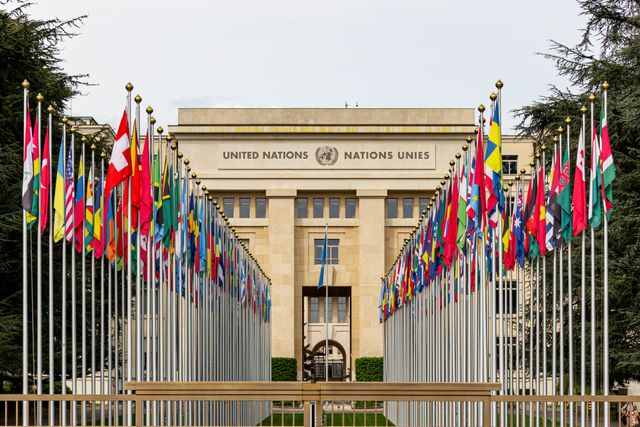
WASHINGTON, October 1, 2026 – Stepping off First Avenue to enter the serene silence of the United Nations complex, one would have no idea about the importance of what was being debated within the chambers.
On September 29, diplomats gathered to celebrate the General Assembly’s high-level plenary in observance of the International Day for the Total Elimination of Nuclear Weapons. This day is officially observed on September 26. However, since it fell on a weekend, the official statements and negotiations began on Tuesday at 10 a.m. sharp.
It doesn’t take long to notice that this event is more like an attempt to save the world than a celebration.
There are reportedly about 12,187 nuclear weapons existing in the world, according to estimates provided by the United Nations. While there have been dramatic reductions in the number of nuclear arms from what was present during the Cold War era, the U.N. also reports that no single nuclear weapon has ever been destroyed through an international agreement. Furthermore, the New START treaty expired on February 5 and has not been replaced.
“The rattling of nuclear sabers is growing louder,” warned UN Secretary-General António Guterres. He warned about how the non-proliferation regime constructed over the years is falling apart, as well as the fact that new technologies are causing huge cuts in decision time periods and chances of mistakes.
But by hearing out the speeches, one can clearly understand just how divided the international opinion on the matter has become.
The representatives of the non-nuclear states, particularly those of Latin America, Africa, and the Pacific, sounded very urgent indeed. One can clearly understand why, considering that over fifty percent of the world’s population resides in countries which either possess nuclear weapons or live in security shelters provided by them.
But the big countries that have nuclear weapons decided to take an entirely different path. Speaking in front of the assembly, the delegations of various military nations indicated that regional conflict and declining security on the international scene were among the barriers standing in the way of quick reductions. Listening to them deliver their well-prepared speeches, it became clear how far we still are from a breakthrough.
The historical backdrop here is long and frustratingly familiar.
Getting rid of such arms became the main theme of the UN General Assembly’s first-ever resolution in 1946. Almost 80 years later, negotiators find themselves in the same room, making identical calls, while bilateral verification regimes are becoming obsolete.
As the session drew to a close and the delegates made their way outside, towards the East River, not a single new agreement had been struck. None were expected to be made, of course.
However, this annual meeting is indispensable – merely because it compels diplomats to stand in the glaring limelight and explain why more than 12,000 nuclear weapons are still available for use. While the path to complete elimination is going to be very long and exhausting, as emphasized by multiple delegations before heading to the New York nightlife, quitting diplomacy is not an option anybody can afford.