WASHINGTON DC. WA, September 22, 2026 — Your smartwatch is probably inflating your workout credit. A popular tracker from Florida International University showed that a plethora of different fitness trackers all overestimate the calories burned by their owners while exercising. According to the researchers, the gap may be relevant for anyone relying on those numbers when managing their weight, following guidelines similar to those posted by the U.S. Department of Health and Human Services.
Testing Four Popular Devices
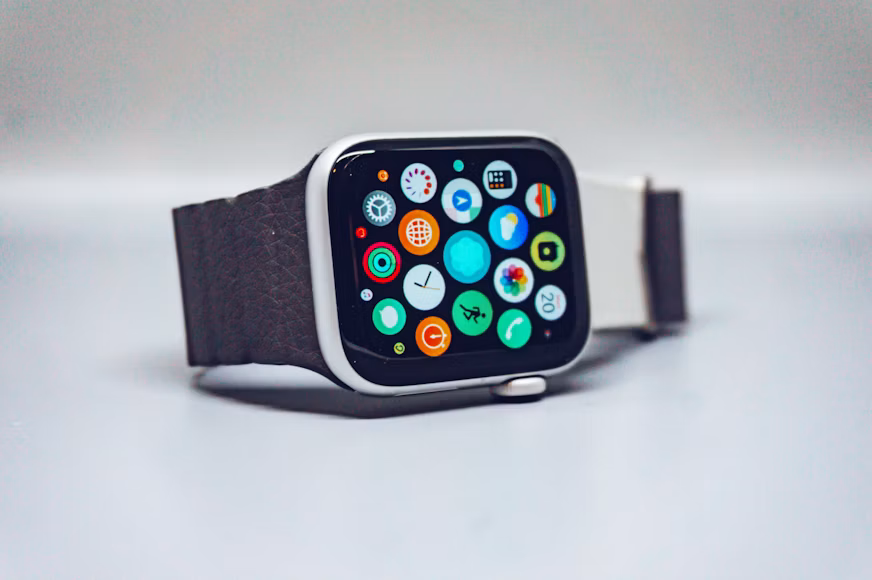
In October 2023, researchers recruited 58 adults to perform a guided cycling workout while wearing one of four common smartwatches: the Apple Watch Series 8, Fitbit Sense2, Samsung Galaxy Watch 5, and Garmin Forerunner 955. They then compared each participant’s readings with those from a COSMED K5 metabolic analyzer—the type of clinical-grade equipment found in exercise physiology labs. That instrument can measure actual consumption of oxygen and exhalation of carbon dioxide to get a precise notion of real energy use.
All watches demonstrated significant overestimation, generally between 15% and 25%, compared to actual caloric expenditure, consistent with broad research reviewed by Centers for Disease Control and Prevention regarding healthy activity. Of the four, it performed best, overestimating by around 22 calories on average. For Samsung, the margin of error was about 57 calories, and for Garmin it overestimated by an average of nearly 69 calories per session.
Fitbit’s Data Proved Unreliable
Since nearly 13% of Fitbit trials yielded improbable or nonsensical readings, those were more difficult to assess. Researchers excluded those sessions from the main analysis due to reliability issues. At times, the device recorded barely any calories at all throughout an entire workout.
Accuracy also degraded with increasing fat percentage, and this finding was similar for all four brands. Which indicates the algorithms that predict calorie counts likely do not match body composition. The contradiction is significant for anyone counting calories carefully, said lead author Jason Kostrna, an associate professor of kinesiology and exercise science at FIU, with broader kinesiology context explored via the American College of Sports Medicine.
Why the Numbers Matter
“If you think you’re in a calorie deficit, you could still be eating hundreds of calories over your maintenance every week, which is easy to do if you follow calculator food recommendations,” Kostrna said as an explanation accompanying the study. This discrepancy could undermine weight management for those who rely primarily on estimates provided by their watch. The actual number might be far closer to 350 if a device said you burned 500 calories, he said.
Kostrna also notes that manufacturers rarely explain where their calorie algorithms originate or how they were validated. The lack of transparency makes it hard for outside researchers to independently assess accuracy claims. These findings, he suggested, could help companies fine-tune their formulas in the future.
How Wearers Should Make Use of This Info
The simple advice from the research team is: do not rely on a smartwatch calorie number as precise information. Great to see (and probably more useful) use heart rate, heart-rate zones, sloped lines over a single number on a certain day; perhaps round right down. These metrics are often measured through direct means and have a lower estimation error than calorie burn, following dietary guidelines from the U.S. Department of Agriculture.
While these results indicate that people may be cutting calories too aggressively, researchers caution against over-correcting based on these findings. Kostrna remarked that calorie counting must be taken in a larger wellness overview and not as the one and only indicator for improvement. His team is currently investigating whether the same devices do any better at estimating calories during strength training, with results due in the months ahead.
Many fitness experts recommend not allowing a calorie estimate from your smartwatch to stand alone with its number, but instead pairing that number with more global aspects of exertion, such as perceived exertion level or time spent exercising. If you are pursuing a weekly calorie goal, someone might want to add a small buffer for normal overcalculation. This can help avoid the unintentional caloric surplus that researchers identified as a common trap.
The results come at a time when wearable devices continue to gain traction among individuals looking to lose weight in tandem with newer medical therapies. As so many users now are comparing fitness data with bigger health goals, accuracy of those algorithms has become increasingly important, researchers say. And until more manufacturers provide greater transparency over how their estimates are produced, experts say to treat the calorie number on your wrist as an average rather than an accurate measurement.