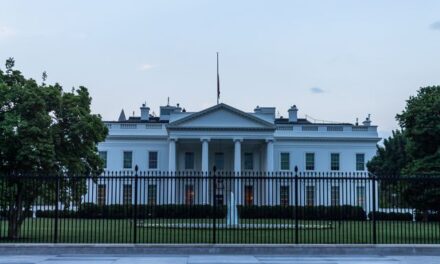
WASHINGTON, November 15, 2026 – Coffee cups were left half full on mahogany tables as staffers looked at results from elections being tallied on cable news tickers. The Democrats have won control of both houses of Congress in the midterm elections, and overnight the political dynamics in Washington changed completely.
Now that the new power dynamics have been set in the upcoming legislative session, international political economists will be analyzing the impact of executive deadlock on presidential policy, particularly in international affairs. Where legislation is held up, presidents don’t normally cease governing. They simply use the power they already have, through tariffs, trade actions, sanctions, procurement, and regulations without the need for a new law of Congress—utilizing established statutory authorities like Section 301 of the Trade Act of 1974 and targeted federal procurement mandates.
History shows a clear pattern here. Deadlock within the executive branch in Washington often drives presidents to use more unilateral processes.
And this is important as foreign allies and international financial markets don’t like surprises.
The debt markets abroad are already nervous. The focus on the impending confrontations on the issues of the federal budget and the US debt ceiling highlights the potential for volatility in the treasury markets. Should the Washington posturing endanger timely repayment of the federal debts, the borrowing costs won’t be confined to the United States alone. Instead, it’ll drive up sovereign borrowing costs in emerging economies and constrain international firms borrowing in dollars.
As noted in recent macroeconomic insights on the 2026 midterms from Cushman & Wakefield, a divided Congress was already baked into baseline market expectations, but the ongoing policy friction is where things get messy.
Here’s the rub: Relying solely on executive orders and sanctions is to build a foreign policy on weak foundations because today’s executive order can be changed or revoked by the next administration, leaving everyone unsure of America’s commitment in the future.
Nobody knows how foreign leaders would react to a situation where a White House is compelled to rely on its executive powers more than ever before. Trading partners in Europe and Asia are bracing themselves for a wave of executive trade orders that will not need new legislation from Congress—a shift causing widespread uncertainty across global commercial regulatory frameworks evaluated by the World Trade Organization.
So what happens next? These constitutional safeguards intended to curb executive powers are going to be put to the ultimate test. As Washington embarks on the fiscal showdowns, the drama is not going to unfold in Congress—it’ll emanate from the West Wing.