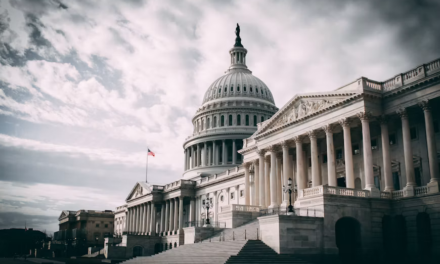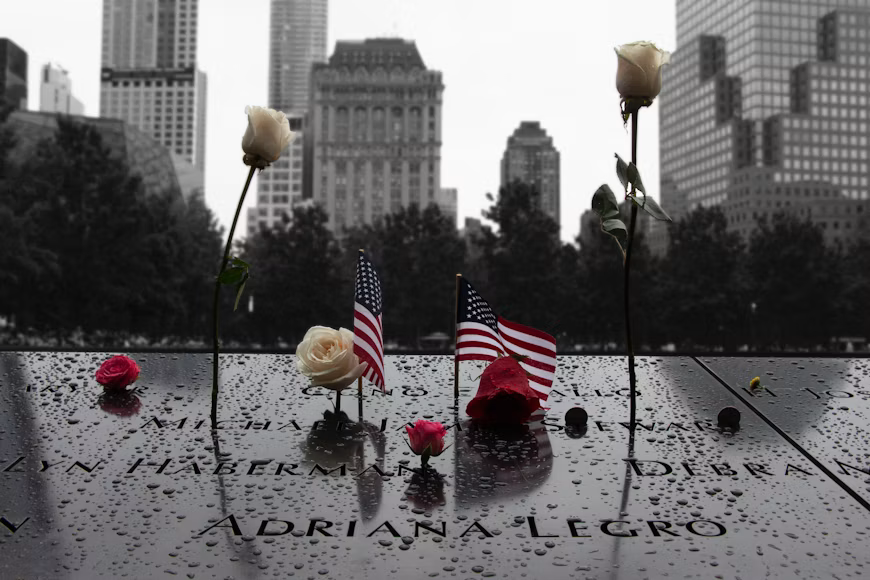
WASHINGTON DC. WA, September 11, 2026 — The September 11, 2001 attacks changed the way Americans think about disaster preparedness. Over the ensuing years, federal agencies effectively rebuilt emergency response systems from scratch. A quarter century later, those lessons continue to inform how families, workplaces, and cities prepare for the unpredictable.
The Beginning of Current Emergency Planning
The pre-9/11 model of disaster response in the United States was one of decentralized local agencies and some federal agencies with little coordination. The attacks revealed failures in communication among police, fire, and medical responders working at the same scene. The response ultimately drove the formation of the U.S. Department of Homeland Security (DHS) and a more coordinated national response system.
The Federal Emergency Management Agency (FEMA) completely revamped its messaging style during this time as well. As a result, officials started stressing personal preparedness alongside government response, noting how many people take action before help arrives. Such a change created the foundation of active preparedness that Americans still rely on today.
Supplies Households Should Have in Stock
Emergency planners advise that every household keep a basic supply kit sufficient for at least three days without assistance. Water, non-perishable food, a flashlight, and a battery-powered radio remain fundamental basics of that kit. FEMA’s Ready.gov program provides checklists for various types of emergencies ranging from severe weather to active threats.
Families are also advised to set up a communication plan prior to a crisis, as phone networks frequently become overloaded during emergencies. Designating an out-of-area family member to help reconnect everyone if local lines go down is a key step. Preparedness experts emphasize that these plans are most effective when rehearsed regularly, rather than written down once and forgotten in a folder.
Takeaways for Workplaces and Public Spaces
Following the September 11, 2001 attacks, office buildings and public venues implemented new evacuation and lockdown procedures. Many large employers hold routine drills involving fire, active threats, and building evacuations. That practice has become standard across corporate campuses, schools, and government buildings throughout the country.
Along with airline measures, public transit systems expanded emergency procedures, incorporating experience from the 2001 attacks and subsequent events. Part of standard operations for public transit agencies involves training employees to look out for unattended baggage and unusual behavior. Public service announcements routinely remind passengers to notify crews if they see anything suspicious.
New Threats, Old Lessons
Emergency management has expanded its focus over the 25 years since the attacks from terrorism to pandemics, cyberattacks, and extreme weather events. However, basic post-9/11 principles persist—interagency coordination, public messaging, and individual preparedness. The same command structures created to respond to terrorism have been adapted by organizations like the American Red Cross for hurricanes, wildfires, and public health emergencies.
Preparedness experts warn against the complacency that sets in as time passes after a major event. They advise families to view the annual 9/11 anniversary as a natural time to check supply kits and review communication plans. A quarter-century later, the habits cultivated in tragedy remain central to how millions of Americans prepare for calamity or whatever comes next.