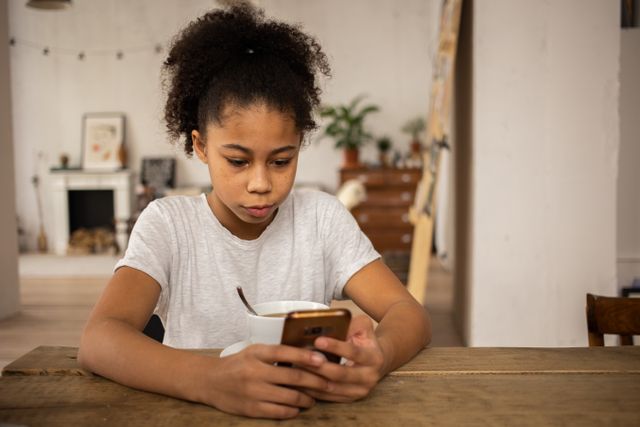
WASHINGTON, September 19, 2026 – By nine o’clock, it could be time for the kid to complete his or her schoolwork, chat with someone he or she knows, watch something catastrophic going on in another part of the world or browse videos in peace. It’ll be perceived by the parent as another waste of time, but to the teenager, it is where he or she feels a sense of belonging.
Such are the motivations behind Florida’s new social media bill, which bans minors below 14 years old from having an account, while parental approval is needed for 14- and 15-year-olds. It will be applicable to all social media sites that employ recommendation engines and other features such as endless scroll, push notifications, autoplay videos and engagement metrics.
Honestly, it’s not difficult to understand why politicians decided to invoke the nuclear option. Anyone who has ever had a teenager look vacantly at a brightly lit screen at 11:30 at night knows how the pull to interfere with the situation comes naturally. It is said that social media platforms are like playgrounds without a teacher around.
Except the science is more complicated.
In 2024, Pediatrics conducted an assessment of 139 articles from 2013 to 2023 about digital-media reduction and health. This review does not provide any clear verdicts. Researchers discovered a lack of a common definition of “digital detox”, an absence of unified methods of measurement and insufficient evidence to implement any policies on this issue. Yet interventions on reducing the usage of smartphones or social media seem to have greater impact on people’s health than total abstinence from them; the effect may differ depending on the person’s age, gender, circumstances, and the parameter being investigated.
This fact is important because according to a seven-day experiment with 619 German participants, abstinence and a reduction of one hour per day had positive effects on some outcomes, but the latter had much more stable results; only the reduction group had improvements in anxiety and depressive symptoms. The study did not solve the problem of American adolescents. It destroyed, however, the idea of one magical solution to digital health problems.
For the introverted sophomore living in the country, the online world is where their lifeline lies. Cut off the social connections through regulation, and while you might stop the doomscrolling, you will also sever friendships, social support services and study tools. The review points to research with 3,258 rural teens from Michigan where limited internet and media parenting was linked to lower self-esteem than social media overuse alone. Geography matters.
There is no doubt that when used excessively, at inappropriate times, online activity can affect the sleep and anxiety of certain teenagers. However, it does not make sense to regulate all young people and online experiences alike.
The privacy dilemma is no less complex. In Florida, the law compels platforms to figure out who among the users is a minor without undermining any claims of anonymity on the internet. Age verification could easily turn out to be another way of mining sensitive data from both minors and adults. The solution in question might result in an unintended surveillance system that would be difficult to undo afterwards.
There is an alternative approach. Governments should mandate better privacy settings, examine for addiction-promoting features, develop reporting mechanisms, and ensure greater transparency in recommendation engines. Schools need to educate kids about media literacy and self-regulation. Parents may secure kids’ rooms and dining tables from phone use.
Removing the phone is an act of decisiveness, while teaching them to use it responsibly is time-consuming, difficult, and unsatisfying during a press conference. Nevertheless, this is the kind of action that has potential for creating resilience.
In public health policy, it is crucial to decrease avoidable harm and preserve developing autonomy. Florida’s initiative will provide some form of protection for certain kids, but the problem is that a complete ban can undermine the connections required by others. The issue is not whether teenagers should have connections but whether adults can create something worth trusting.