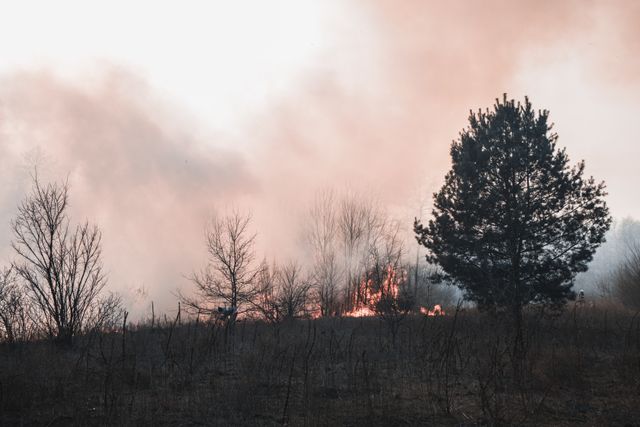
WASHINGTON, September 17, 2026 – When wildfires rage in the American West, the destruction hits fast. Houses are destroyed, the forests are damaged, and the people are displaced. Smoke, however, knows no border. It may cross state boundaries even after the fires themselves have moved on.
On Wednesday, the Senate Environment and Public Works Committee moved forward with a bill that will alter the way the federal government classifies the emissions from prescribed fires. S. 5045, the Wildfire Emissions Prevention Act of 2026, cleared the committee easily. It passed by a 19-0 vote in committee.
The bill amends the Clean Air Act. It places smoke from prescribed fires in the definition of “exceptional events” used in air-quality monitoring. Prescribed fires are intentionally set under controlled conditions to lower fuel levels and achieve land management objectives. The bill will also include qualifying cultural burn practices that are done by Indian tribes.
According to supporters, including the chairman of the committee, Shelley Moore Capito, Senator Capito expressed pride in co-sponsoring the legislation to reduce wildfire impacts and support states’ rights to use prevention practices like prescribed fires. During a legislative hearing, she noted that while the EPA’s ‘Exceptional Events Rule’ accounts for wildfire smoke, the process is complex and treats prescribed burns less favorably, whereas WEPA would prevent states from being penalized and encourage proactive risk mitigation. For the full verbatim statements, please refer to the referenced source documents.
The policy dilemma isn’t easy to balance. Controlled burns lead to the production of smoke today. Yet doing nothing ensures wider, untamed wildfires tomorrow. This legislation won’t solve the issue of air quality, and it’ll require regulatory agencies to adhere to certain measures.
Committee approval is just the first step. The bill isn’t law yet. The Senate hasn’t set a date for a full floor debate, and its trajectory in the House remains uncertain.
Still, a 19-0 vote is rare on Capitol Hill. It proves lawmakers on both sides agree on the basic goal: finding ways to clean up forest floors without making downwind neighbors breathe toxic haze.