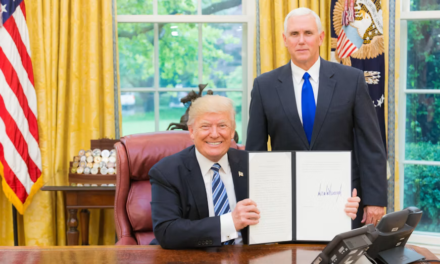
WASHINGTON DC. WA, November 16, 2026 — Boarding Air Force One for a demanding diplomatic tour of Asia, President Donald Trump departed Washington amid heightened global tension and intense media scrutiny. The presidential itinerary features critical bilateral summits with Chinese President Xi Jinping and other key Indo-Pacific leaders, centering on contentious trade disputes, maritime security, and technological decoupling. Foreign policy advisors in Washington characterized the journey as a defining test of executive statecraft, balancing aggressive economic negotiation with essential regional deterrence. The diplomatic delegation includes senior cabinet secretaries, trade representatives, and corporate executives tasked with advancing American commercial interests abroad.
The centerpiece of the Asian tour is a scheduled face-to-face summit with President Xi Jinping in a neutral regional capital, designed to stabilize bilateral relations between the world’s two superpowers. Trade tensions have simmered for months over intellectual property enforcement, semiconductor export controls, and industrial subsidies. American negotiators are pushing for binding structural commitments regarding rare earth mineral access and market parity for domestic agricultural exporters. Conversely, Beijing delegation members arrived demanding the rollback of unilateral tariffs and advanced microchip restrictions. Diplomats across Washington express cautious hope that personal presidential diplomacy can avert a destructive escalation of trade protectionism.
Security architecture across the Indo-Pacific forms the second major pillar of the presidential agenda, encompassing freedom of navigation patrols and regional defense alliances. Allies in Tokyo, Seoul, and Taipei are monitoring the summits closely for explicit reaffirmations of American security commitments in the face of persistent maritime posturing. Defense Department briefers prepared extensive intelligence dossiers outlining regional flashpoints and allied military interoperability metrics. The stakes for global peace and commercial stability could hardly be higher as the presidential aircraft traverses international airspace.
Navigating Complex Trade Negotiations
Trade negotiations between Washington and Beijing remain deadlocked over complex structural issues that defy easy compromise. President Trump’s trade representatives have maintained a hardline stance, utilizing tariff leverage to force manufacturing repatriation and protect domestic technology sectors. Business lobbying groups in Washington are deeply divided; import-dependent retailers decry the inflationary burden of tariffs, while domestic manufacturers applaud aggressive protectionist policies. Finding a workable diplomatic middle ground during the presidential summit will require immense negotiating flexibility and strategic concessions from both sides.
Beyond bilateral commerce with China, the presidential tour includes vital stopovers in allied capitals to solidify regional economic integration and supply chain resilience frameworks. Administration officials intend to finalize bilateral trade agreements that reward allied nations adhering to fair labor and environmental standards. These economic initiatives are explicitly designed to create a viable, integrated alternative to competing trade blocs in the region. Commerce Department delegates hosted preparatory roundtable discussions with multinational executives to identify regulatory bottlenecks and tariff anomalies.
Financial markets in Wall Street and global exchanges track every presidential pronouncement in real time, pricing currency pairs and equity futures on shifting trade negotiation headlines. Corporate treasurers hold off on major capital expenditure decisions pending the outcome of the Xi Jinping summit. The delicate dance between economic nationalism and globalized commerce defines the economic philosophy of the presidential delegation. Negotiators understand that any trade pact must be politically marketable domestically while remaining acceptable to foreign counterparts.
Regional Security and Strategic Deterrence
Security concerns regarding maritime shipping lanes, territorial disputes, and nuclear proliferation dominate the regional security agenda during the Asian tour. President Trump is scheduled to meet with regional heads of state to review joint defense postures and intelligence-sharing agreements. The administration’s foreign policy doctrine emphasizes burden-sharing, demanding that wealthy Indo-Pacific allies assume a greater financial share of their own regional defense. Pentagon officials briefed the president on allied naval modernization programs and ballistic missile defense shield enhancements.
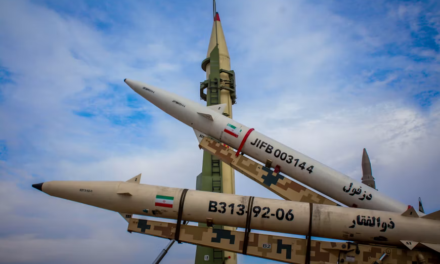
The enduring geopolitical challenge posed by regional nuclear ambitions and territorial friction in strategic straits requires constant diplomatic vigilance. The presidential delegation will reiterate unwavering commitments to maintaining open shipping lanes and unimpeded commercial aviation routes. Defense analysts emphasize that strong American military deterrence combined with active diplomatic engagement is the only formula preventing kinetic conflict. Regional allies seek unequivocal assurances that Washington remains fully committed to Indo-Pacific stability despite domestic political distractions.
Intelligence coordination regarding cyber warfare, espionage infiltration, and disinformation campaigns forms an unpublicized yet vital component of the security talks. National security advisors are negotiating enhanced protocols for intercepting illicit maritime smuggling networks that fund regional proxies. The synthesis of economic statecraft and hard military deterrence forms the bedrock of American strategy in the Indo-Pacific theater. Maintaining this strategic balance is the primary objective of the presidential journey.
Domestic Political Ramifications and Global Outlook
The geopolitical outcomes of President Trump’s Asian tour will reverberate powerfully across the domestic political landscape in Washington. Success in negotiating favorable trade concessions or easing regional tensions will provide the administration with significant political capital heading into upcoming legislative sessions. Conversely, a stalled summit or escalating trade hostility risks triggering market volatility and drawing sharp criticism from political opponents. Congressional oversight committees are prepared to review any resulting trade texts or security commitments line by line upon the presidential delegation’s return.
Global observers recognize that American foreign policy in the Indo-Pacific operates under intense scrutiny from both friends and adversaries. The demonstration of resolute leadership and pragmatic negotiation ability is essential for maintaining global confidence in Pax Americana. Foreign ministries across Europe and the Americas analyze the presidential summits for indicators of future multilateral cooperation standards. The world watches anxiously as high-stakes diplomacy unfolds on the global stage.
Ultimately, President Trump’s journey to Asia embodies the perpetual tension between superpower competition and the necessity of global economic interdependence. Navigating this treacherous diplomatic labyrinth requires steady nerves, clear strategic objectives, and uncompromising defense of national interests. Whether the summits yield historic breakthroughs or modest procedural agreements, the presidential tour marks a pivotal chapter in contemporary world affairs. Washington awaits the outcome with bated breath as history is written in real time.