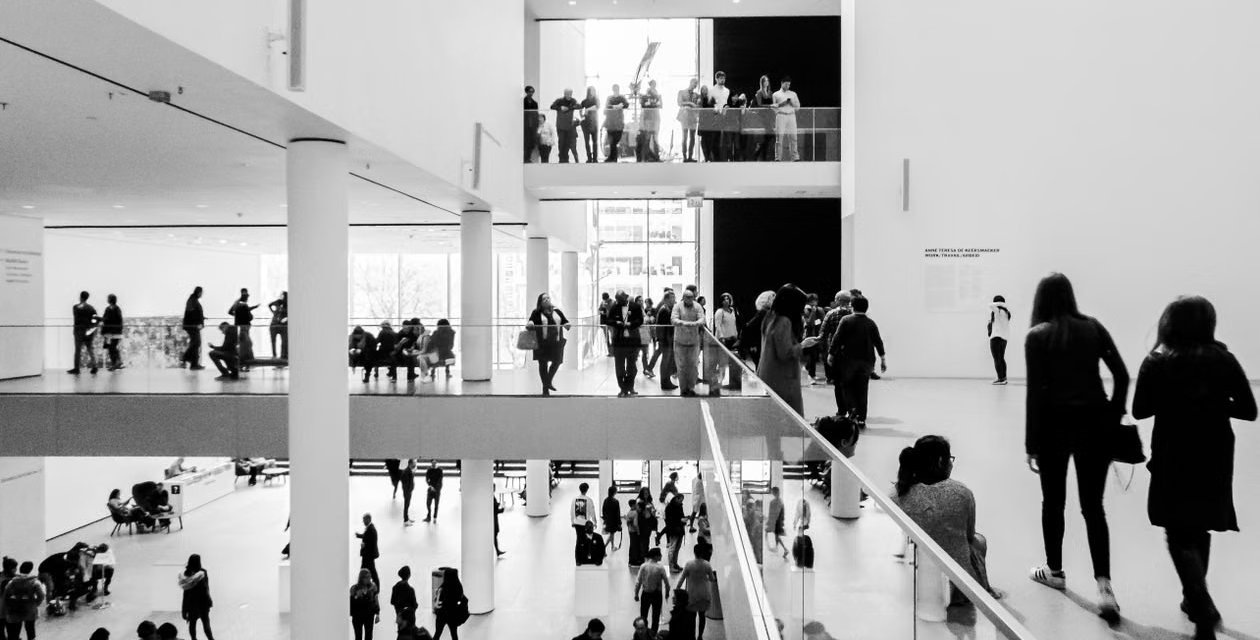
WASHINGTON DC. WA, November 18, 2026 — Today, the leadership of the Smithsonian Institution announced a major multi-museum exhibition program that will celebrate American history, space exploration, and current trends in visual arts. This cultural initiative will feature rare historical objects, interactive aerospace exhibits, and advanced multimedia displays throughout the National Mall area.
Curators and historians worked on the archival documents and new scientific equipment that will be part of the permanent exhibition in Washington D.C., for several months. Tourism officials expect millions of people from around the United States and other countries to come to Washington D.C., during this time frame to see the annual cultural event.
The educational programs that are offered in conjunction with the exhibitions include: virtual classroom seminars, workshops for educators, and a series of lectures for the general public presented by distinguished scholars.
The federal government’s grant program, in conjunction with funding from private donors, allowed for the free access to each of the Smithsonian Institution’s participating museums during the period of time that the exhibits were on display.
The architects and museum designers utilized environmentally-friendly exhibition materials throughout the various galleries.
At the completion of installation milestones, museum personnel were enthusiastic about opening up their facilities for visitors to experience the vast array of human accomplishment.
Aerospace Innovation and Historical Preservation
The National Air and Space Museum has opened up its updated galleries that feature the different types of spacecraft used for exploring the moon and the significant developments in commercial space flight. The Aerospace Education Initiatives help develop the next generation of engineers and scientists by offering hands-on experiences with simulators.
Preservationists used modern conservation methods to prepare delicate 18th century manuscripts and presidents’ papers for display.
Community cultural groups collaborated with museum staff (curators) to create and conduct local community-based storytelling activities which were related to the overall theme of the nationwide exhibition.
Cultural Impact and Educational Legacy
Education researchers state that museum exhibits support classroom history lessons through direct access to original primary source material for students.
With the beginning of the exhibition season just around the corner, Washington’s cultural community is preparing for a year filled with celebrations of creative expressions and scientific discovery.
Local stakeholders and regional policy analysts continue to review the long term effects of these changes on metropolitan communities. Community feedback sessions, along with municipal committee hearings, are critical venues where residents, business owners, and civic leaders can make constructive suggestions. Transparent communication and compliance with ethical standards will be vital in creating public confidence and achieving fairness in the results of the ongoing initiative.
Moreover, there is an on-going examination of the long-term, systemic impacts of these changes on metropolitan areas by local stakeholders and regional policy analysts. Community feedback sessions and municipal committee hearings are key venues for residents, business owners, and civic leaders to provide positive recommendations. During the lead-up to implementation, open communications and adherence to ethics will be critical to establishing and maintaining public confidence and equitable results among all participants in this ongoing effort.
As such, the effects of these changes are being evaluated on a longer term basis by regional policy makers and stakeholders as they relate to metropolitan areas. The use of community input (i.e. town hall meetings) and the local government process (i.e. city council/committee hearings) can be used as a means of providing an avenue for residents, business owners, and civic leaders to offer constructive suggestions. Transparent communications with the community as well as maintaining high levels of professional ethics will be required to maintain public confidence in the initiative and ensure that each resident receives equitable benefits from the program as it progresses.
As well, local stakeholders and regional policy analysts are continuously reviewing the long term systemic effects of these changes on metropolitan areas. The process of gathering input from the community through community feedback sessions and municipal committee hearings provides an opportunity for residents, business owners, and civic leaders to express positive recommendations. In addition, when it comes time to implement, transparency in communications and adhering strictly to ethical standards will be critical to establishing public confidence and achieving equitable results for all individuals involved in this process.
In addition, the long-term impact on local neighborhoods (metropolitan) of these changes is being studied by local stakeholders and regional policy analysts. Residents, business owners and civic leaders have provided feedback to communities and municipalities at community feedback sessions and committee meetings; this feedback has resulted in constructive suggestions. As we near the time when we will begin implementing our plans, it is important that we communicate clearly with the public and adhere strictly to ethical guidelines in order to maintain the public’s confidence and ensure that everyone who participates in this process receives fair treatment.
The long-term impacts of these changes on metropolitan communities continue to be evaluated by local stakeholders and regional policy makers. Public feedback meetings and committee hearings have provided a forum for community residents, business owners, and civic leaders to offer constructive suggestions. Transparent communications and a commitment to ethical standards are required to build public confidence and provide equity in the outcome of this initiative as it moves toward implementation.
Local residents and regional policymakers are continuing to assess the long term systemic effects of the above changes on metropolitan communities. The use of community input forums and municipal committees offers residents, business owners, and other community leaders the opportunity to provide positive feedback about how the city could improve. During the time period leading up to the implementation of the project, transparency and high ethical conduct should be maintained so that the public has confidence in the process and that everyone who is affected by the project receives an equal opportunity to participate.
As well as local stakeholders, regional policy analysts are continuing to assess the long-term systemic effects that such changes will have on metropolitan communities. The use of community feedback sessions and municipal committee meetings provide critical opportunities for residents, business owners, and civic leaders to express positive recommendations. In addition, when the deadlines for implementing various parts of the project are met, there must be clear communication and strict adherence to ethics in order to maintain the confidence of the public and ensure fair results for all participants who have been involved with the project.