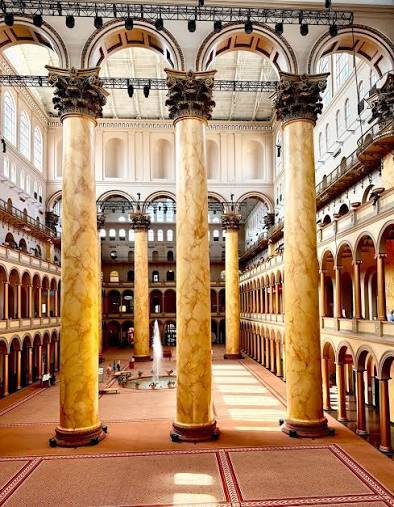
WASHINGTON, July 10, 2026 — After a nearly four-year wait and a $300 million renovation, the National Geographic Society has officially reopened the doors to its ‘National Geographic Museum of Exploration’ for the public. The 100,000-square-foot facility, represents a bold reimagining of the traditional museum experience.
The opening marks a significant milestone for down-town D.C.’s cultural landscape, launching just ahead of the nation’s upcoming ‘America250’ commemorations.
A “Base Camp” for the Modern Explorer
The new museum is designed by architecture firms Hickok Cole and OLIN. The renovation has opened up the previously fortress-like brick complex, creating a transparent, welcoming entry point at 1600 M Street NW.
“This is not just a museum; it is a portal to the world,” said a Society spokesperson. “We are inviting the public to step into the shoes of our explorers and see the planet through their eyes.”
Signature Exhibits
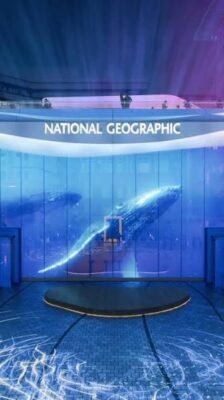
The Museum of Exploration moves beyond static displays, heavily utilising “Geoverse” technology and immersive projection mapping to engage visitors. There are a wide range of key permanent and rotating exhibitions. Exhibitions include,‘Animals of Earth’ – A stunning, 360-degree immersive gallery featuring the work of photographer Joel Sartore. The exhibit projects towering portraits of endangered species, aiming to document 25,000 species to inspire conservation efforts. ‘Rolex Explorers Landing’ – Supported by a historic $100 million contribution from Rolex, this section highlights the partnership between the watchmaker and the Society. It features artifacts like a reproduction of the Soucoupe SP-350 Denise diving saucer and narratives from explorers ranging from deep-ocean divers to astronauts. ‘The Archives’ – A deep dive into the Society’s 138-year history, showcasing iconic yellow-border magazines, field gear, and previously unseen artifacts from legendary expeditions. ‘Into the Unknown’ – A 400-seat immersive theatre offers a cinematic journey into extreme environments, utilising a 270-degree screen to surround the audience with high-definition footage from the field.
Visitor Engagement
The renovation also introduces new social spaces designed to keep visitors on campus longer. The Explorers Eatery offers a menu inspired by global cuisines found in expedition locations. The Ballard Bar—named after Titanic discoverer and Explorer-at-Large Robert Ballard—serves themed refreshments.
The outdoor courtyard has been redesigned as an educational space, featuring six distinct planters representing different global ecosystems, which visitors can explore for free without a museum ticket.